


2026 年 7 月
在本 VETgirl 在线兽医继续教育 博客, 黛比·马丁, LVT, KPA CTP, VTS (Behavior) shares best practices for handling dogs with moderate to high levels of fear, anxiety, stress, or aggression during veterinary care visits. Focus on minimizing trauma, creating positive memories, and ensuring the patient’s emotional and physical well-being are prioritized!
针对中度至重度恐惧、焦虑或压力犬只的安抚技巧
By 黛比·马丁, LVT, KPA CTP, VTS (Behavior)
Why Every Veterinary Experience Matters
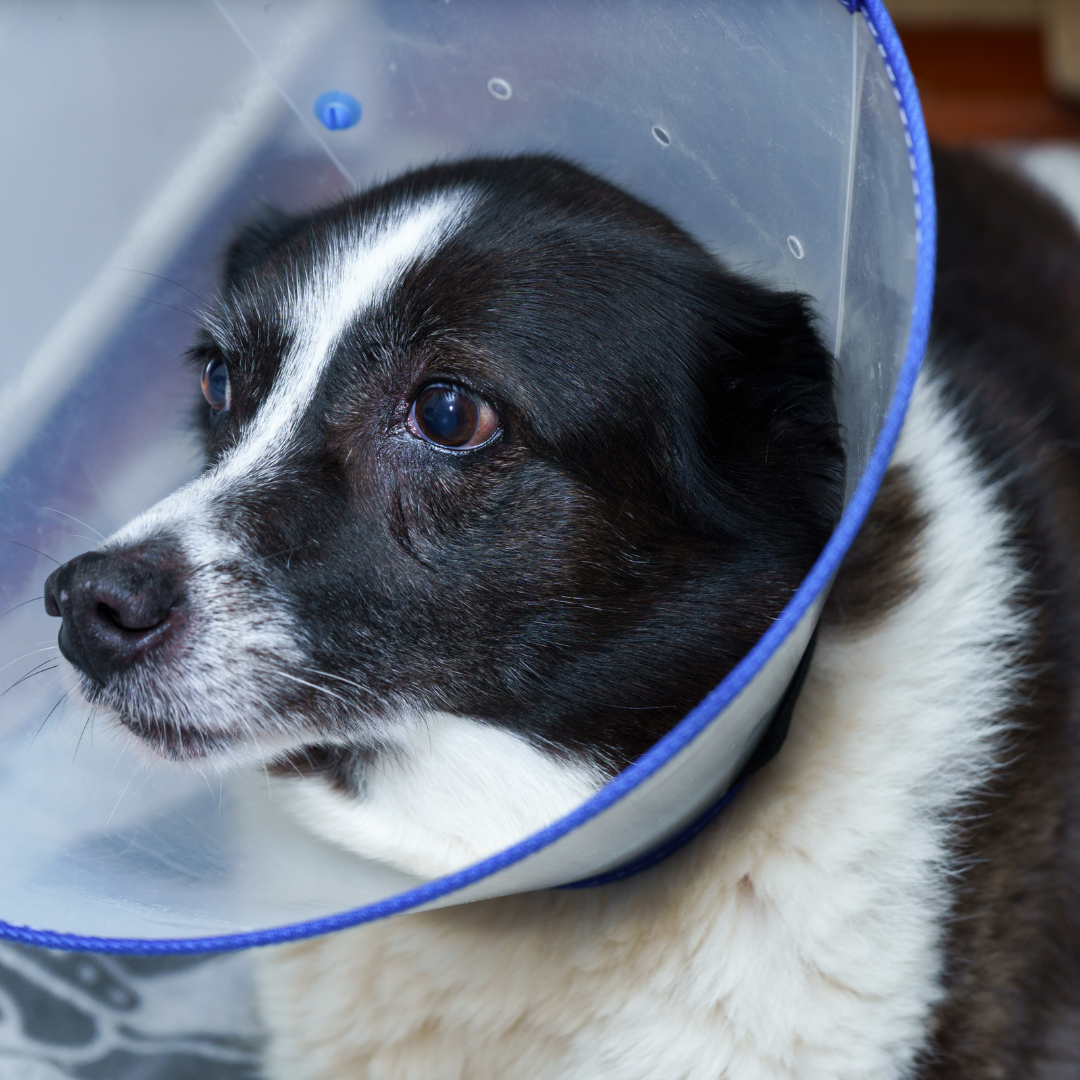
Every veterinary visit leaves a lasting memory for the dog. How we handle dogs experiencing fear or anxiety at each appointment directly impacts their future behavior and willingness to accept care. Dogs exhibiting moderate to high fear, anxiety, or stress are already having a negative experience, so it’s crucial to minimize further trauma.
For Dogs with Moderate Fear or Distress
After a 5 to 8-minute acclimation period at the clinic, a dog with moderate fear:
- Is not actively avoiding team members, and may hesitantly approach you
- Shows little interest in treats or toys that they usually love
- May snatch treats roughly
- Displays body language indicating unease, such as ears slightly back/side, tail down, furrowed brow, slow movement, excessive attention-seeking (fidgeting), or panting with a tight mouth
These dogs are not ready for procedures. Forcing care will escalate their fear and create traumatic memories.
For Dogs with High Fear, Anxiety, or Distress
Dogs in this state are in “fight, flight, fret, or freeze” mode, feeling their life is threatened they:
- May shut down or attempt escape
- If escape fails, they may use aggression (barking, lunging, snapping, biting) to communicate their need for space
- Show signs like dilated pupils, increased respiratory rate, trembling, tense mouth, ears back, tail tucked
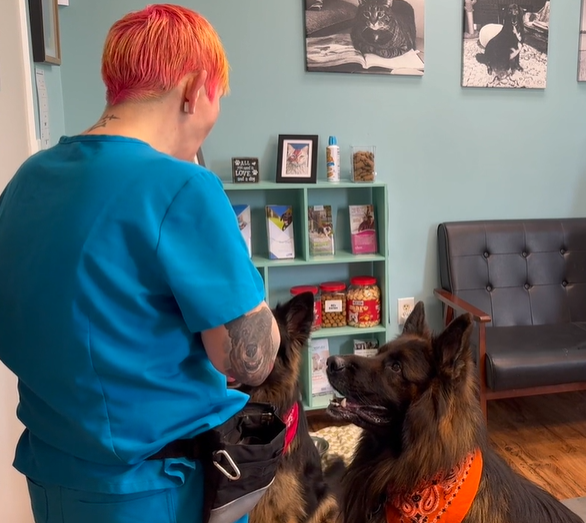
These dogs avoid treats, toys, and interaction, and are likely to actively avoid people or become immobile with fear. Forced interactions jeopardize the safety and welfare of both the dog and members of the veterinary team. This video shows a Belgian Malinois with high fear. Her ears are pulled back, her tail is down, she is trembling, and panting excessively.
减轻压力的策略
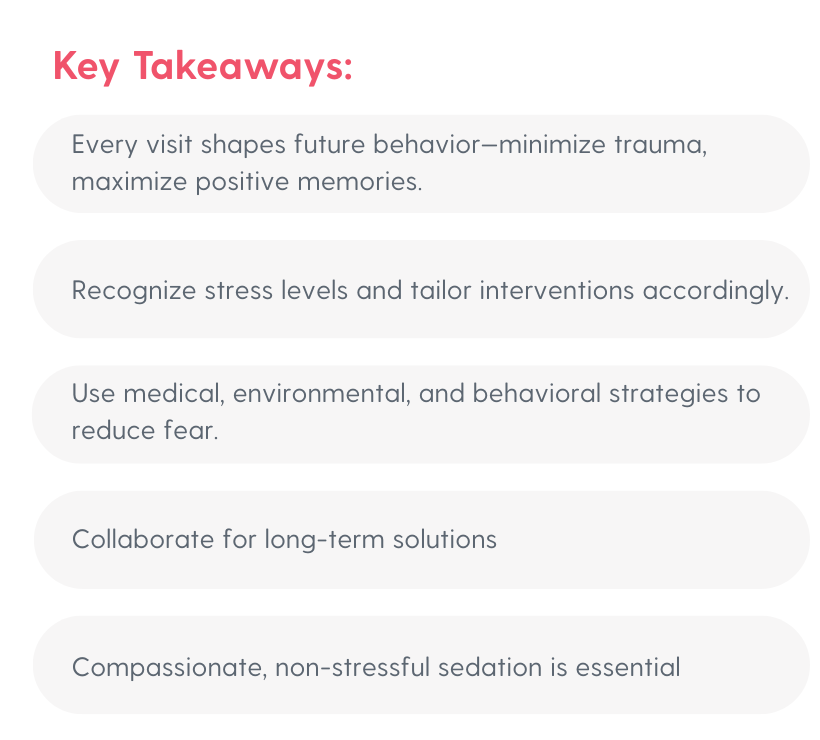
A combination of medical, environmental, and behavioral treatments are used to minimize stress.
医疗干预
- Pre-visit pharmaceuticals to treat fear, anxiety, pain, and nausea when indicated (e.g., anxiolytics, analgesics, and anti-emetics)
- In-clinic sedation as needed
环境策略
- Avoid noise and smell pollution
- Use calming pheromones, as well as aroma and acoustic therapies
- Provide non-slip surfaces
- Adopt a considerate approach (e.g., adjusting your body language)
行为干预
- “Just for fun” visits with no medical care
- Training with qualified positive reinforcement trainers
- Acclimate dogs to gentle control tools (e.g., basket muzzle) before visits
Tailor Care Based on Visit Urgency
Reasons for veterinary visits should be divided into three urgency categories:
- Routine or Elective Procedures
- Illness Visits (Stable Patients)
- Emergency Presentations (Critical Patients)
紧急情况
Critical patients require immediate treatment. Some may be so ill they don’t resist. The team must address both physical and emotional needs, using fast-acting injectable sedatives (for fear and pain) rather than excessive restraint. Sedation should be administered quickly and as hands-off as possible (e.g., IV or IM with a butterfly catheter).
Attempting to place an IV catheter before sedation only increases stress. Some patients may require IM sedation to reduce stress associated with handling if IV sedation is likely to result in a struggle and/or further emotional trauma. Some negative behavioral fallout is likely, minimizing trauma while providing care in emergency situations is the goal.
Stable Illness Visits
For stable dogs experiencing fear, there’s more flexibility:
- Prioritize diagnostics and treatments
- Use low-stress methods (e.g., pet guardian collects urine/fecal samples)
- After history and discussion, develop a plan with the guardian
选项包括:
- Treating symptoms first, scheduling diagnostics later
- Using oral, transmucosal, or injectable medications to decrease stress
- Allowing 30–60 minutes for anxiolytics to take effect in a quiet area
Unlike emergencies, we don’t have to rush a patient who presents for a stable illness visit. Pre-hospital sedation medication can be considered, and if it is not enough, additional in-clinic sedation can be administered in combination with low-stress handling techniques.
择期手术
Elective care (preventive exams, surgeries, dental care) can be postponed if the dog is stressed. For moderate to high-stressed patients, consider:
- Rescheduling the appointment and testing pre-visit medications
- Turning the current visit into a “just for fun” visit
- Planning for possible in-clinic sedation at the next appointment
For mildly distressed dogs, pre-visit meds may suffice. With repeated pleasant experiences, medication needs may decrease, but it’s okay to continue using them to minimize negative impact.
实例探究:
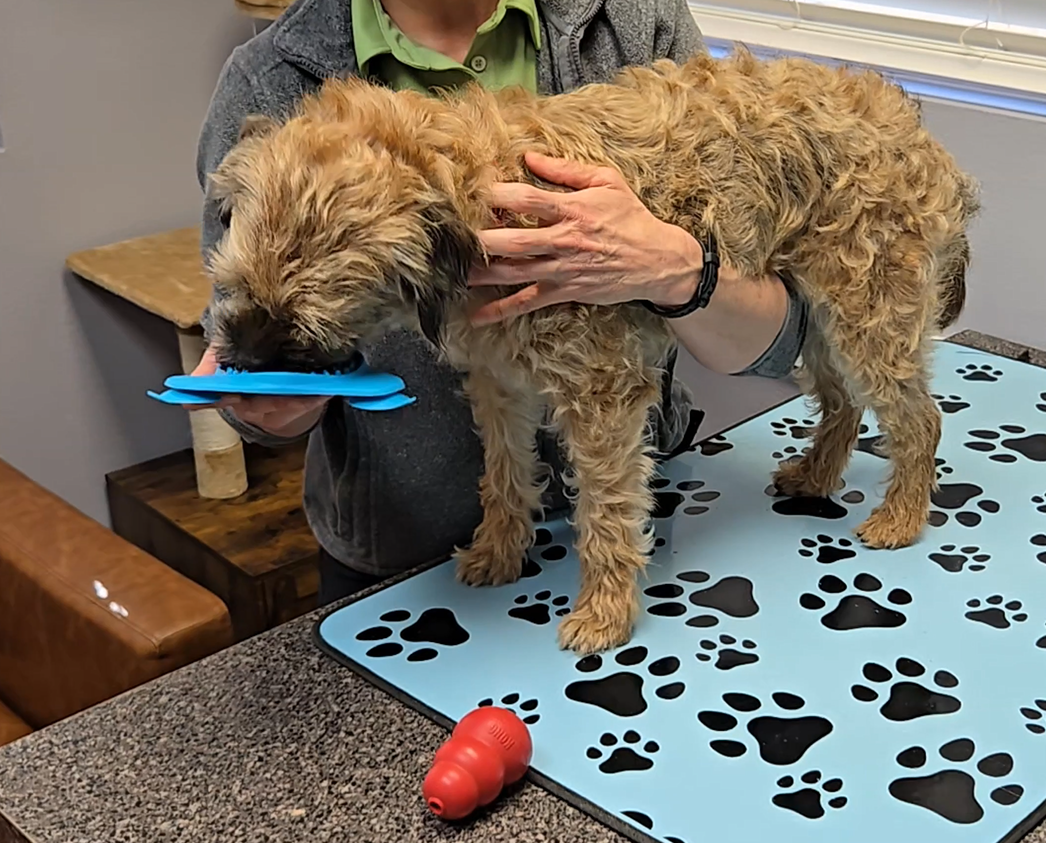
芯片: A 4.5-year-old Border Terrier presented for a neuro consult. He received gabapentin and pain medication pre-visit, allowing him to play and take treats, though he remained nervous. For anesthesia, his gabapentin was doubled, and oral transmucosal dexmedetomidine was added. Due to needle sensitivity, a topical anesthetic was applied to the area for injection. This combination resulted in a relaxed, sedated (and snoring—volume up!) dog before the procedure and provided Chip with a positive experience.
露娜: This was a most challenging case. Luna had been “fired” by four clinics and had previously experienced traumatic muzzle and sedation experiences. She was defensive upon arrival. Multiple prehospital sedation medications and “just for fun” visits were necessary before in-hospital sedation was attempted. High-dose oral transmucosal sedation prepared her for IM injection; once sedated, a muzzle was placed and procedures could be performed. Great news! For seven years, Luna received compassionate care and came to love her clinic visits, eagerly pulling her owner inside.
Creating a Plan for Future Care
Once a fear, anxiety or stress issue is identified, it’s time to collaborate with the veterinary team, pet guardian, and trusted behavioral specialists/trainers to develop a plan for future care. The focus should always be on both physical and emotional well-being of the pet (and people).
By considering not just the physical, but also the emotional well-being of our patients, veterinary teams provide safer, more enjoyable experiences for everyone involved—and practice better veterinary medicine.




只有 VETgirl 成员可以发表评论。 登录 or 加入VETgirl 现在!