


2026 de julio
En esta Veterinaria educación continua veterinaria en línea blogSarah Kolb, JD, BAS, CVT, VTS (CP – Animales Exóticos de Compañía), destaca los 5 errores más comunes en el cuidado de mascotas exóticas que las llevan a la clínica. Desde dietas inadecuadas e iluminación insuficiente hasta alojamiento deficiente, falta de enriquecimiento ambiental y omisión de señales de comportamiento, los errores crónicos prevenibles suelen provocar enfermedades avanzadas en conejos, reptiles, aves y pequeños mamíferos. La educación práctica del cliente y la intervención temprana son fundamentales para mejorar la salud y la calidad de vida de las mascotas exóticas.
Los 5 errores más comunes en el cuidado de mascotas exóticas que las llevan a la clínica veterinaria.
Por Sarah Kolb, JD, BAS, CVT, VTS (CP – Animales de compañía exóticos), supervisora especializada de VCA Veterinary Emergency Services y Veterinary Specialty Center en Madison y Middleton, Wisconsin.
Si trabajas con pacientes exóticos, probablemente hayas vivido ese momento: entras en la sala de exploración, echas un vistazo al recinto y, antes incluso de tocar al paciente, ya sospechas que hay algún problema de manejo.
- Un conejo cuya dieta incluye, por alguna razón, cereales Fruit Loops (sí, esto ocurre de verdad).
- Un dragón barbudo con esa inconfundible "mandíbula de goma" y cola torcida, lo que suscita una preocupación inmediata por una posible enfermedad ósea metabólica.
- Un loro disfrutando al máximo comiendo semillas de girasol y Cheetos.
Muchas de las enfermedades que observamos en animales exóticos de compañía son consecuencia de problemas crónicos de manejo que podrían haberse evitado. Si bien estos errores pueden causar inicialmente solo cambios leves en la salud, a menudo progresan hasta convertirse en enfermedades avanzadas.
Error n.° 1: Una dieta que salió mal
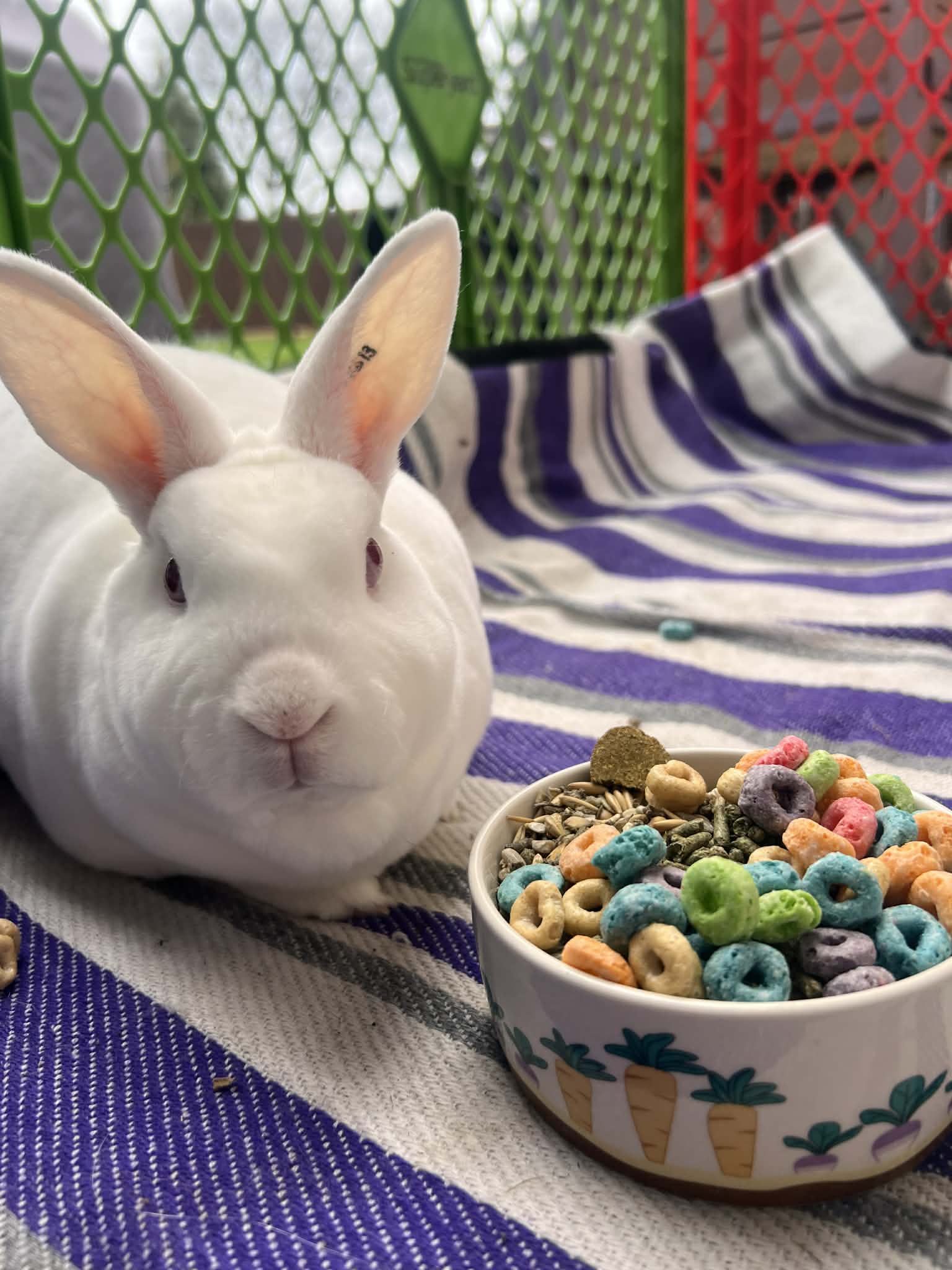
Un conejo comiendo cereales Fruit Loops. Si algo así pertenece a tu tazón de cereales, probablemente no debería estar en el suyo. (Foto cortesía de Sarah Kolb)
La nutrición inadecuada es una de las causas subyacentes más comunes de enfermedades en pacientes exóticos. Cuando existen múltiples problemas de manejo, como suele ocurrir, la dieta debe abordarse en primer lugar, ya que tiene el impacto más inmediato en la salud general.
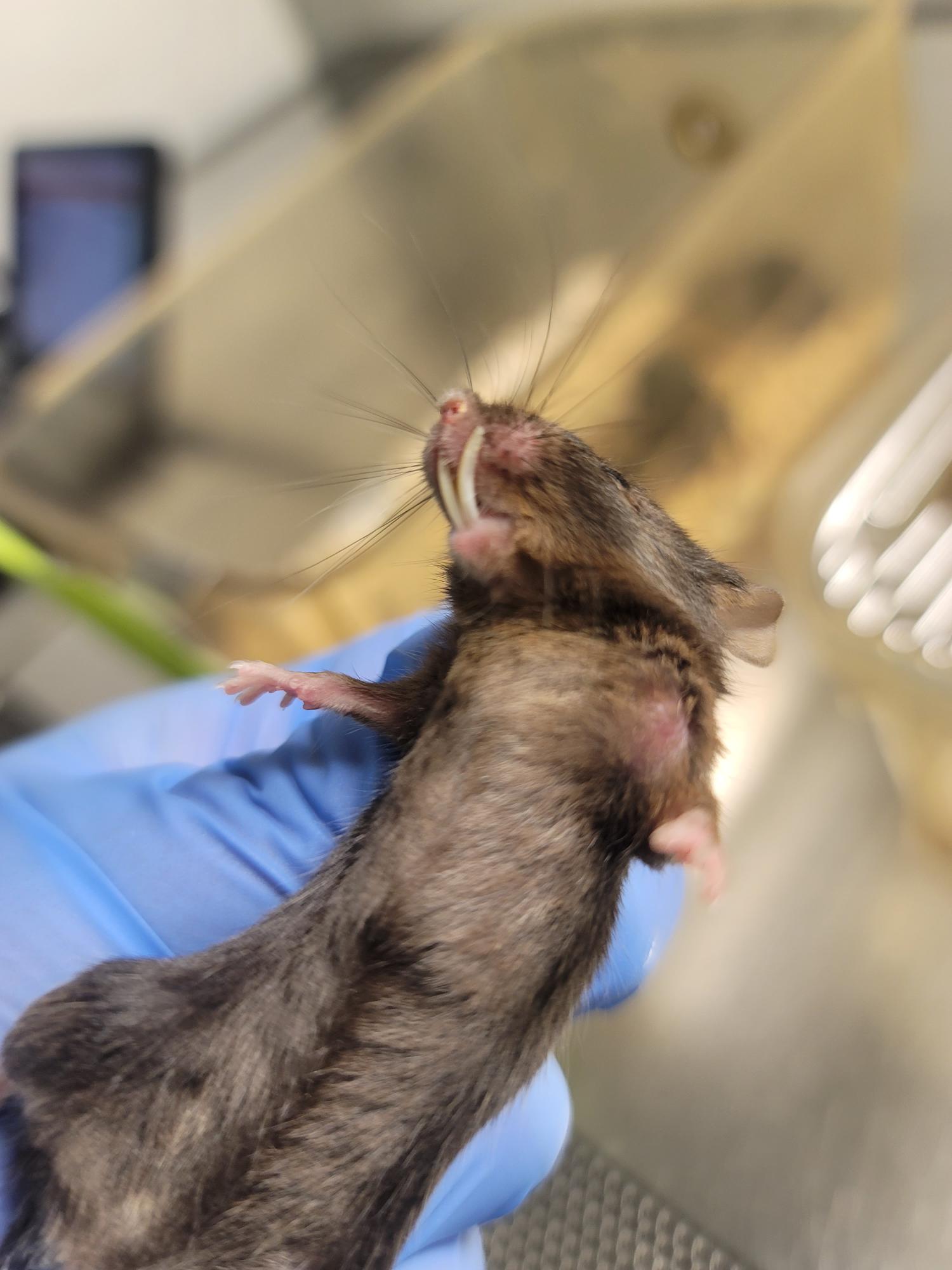
La falta de enriquecimiento ambiental adecuado, como objetos para roer, puede provocar un crecimiento excesivo de los dientes y problemas de salud secundarios en los roedores. (Foto cortesía de Sarah Kolb)
Es común observar conejos y cobayas con ingesta insuficiente de heno que desarrollan enfermedades dentales y estasis gastrointestinal; aves alimentadas exclusivamente con semillas que presentan obesidad, lipidosis hepática e hipovitaminosis A; y reptiles con proporciones inadecuadas de calcio y fósforo que desarrollan enfermedades óseas metabólicas. Estas afecciones progresan gradualmente y a menudo pasan desapercibidas hasta que la enfermedad está avanzada. Los signos clínicos suelen ser sutiles, como cambios de peso, mala calidad del pelaje o las plumas, letargo, disminución del apetito y enfermedades dentales u ortopédicas crónicas.
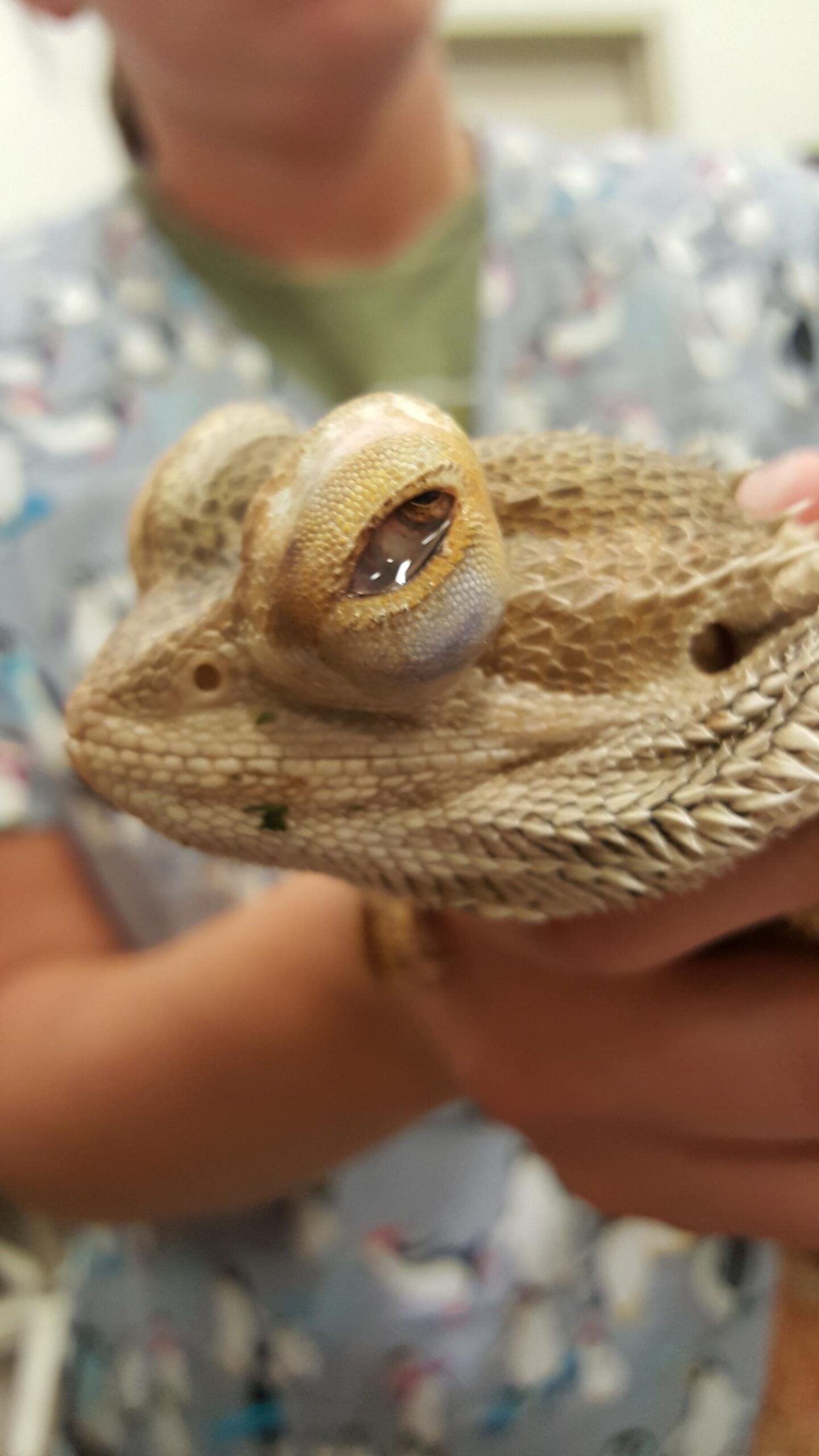
La hipovitaminosis A, a menudo causada por una dieta inadecuada, puede provocar inflamación ocular e infecciones secundarias en los reptiles. (Foto cortesía de Sarah Kolb)
El problema no radica solo en la alimentación, sino también en las carencias. Los herbívoros requieren dietas ricas en fibra para el desgaste dental y la motilidad gastrointestinal; las dietas a base de semillas son deficientes en nutrientes clave como la vitamina A y el calcio; y los reptiles requieren un equilibrio adecuado de calcio, gradientes de temperatura y exposición a la radiación UVB para prevenir enfermedades óseas metabólicas.
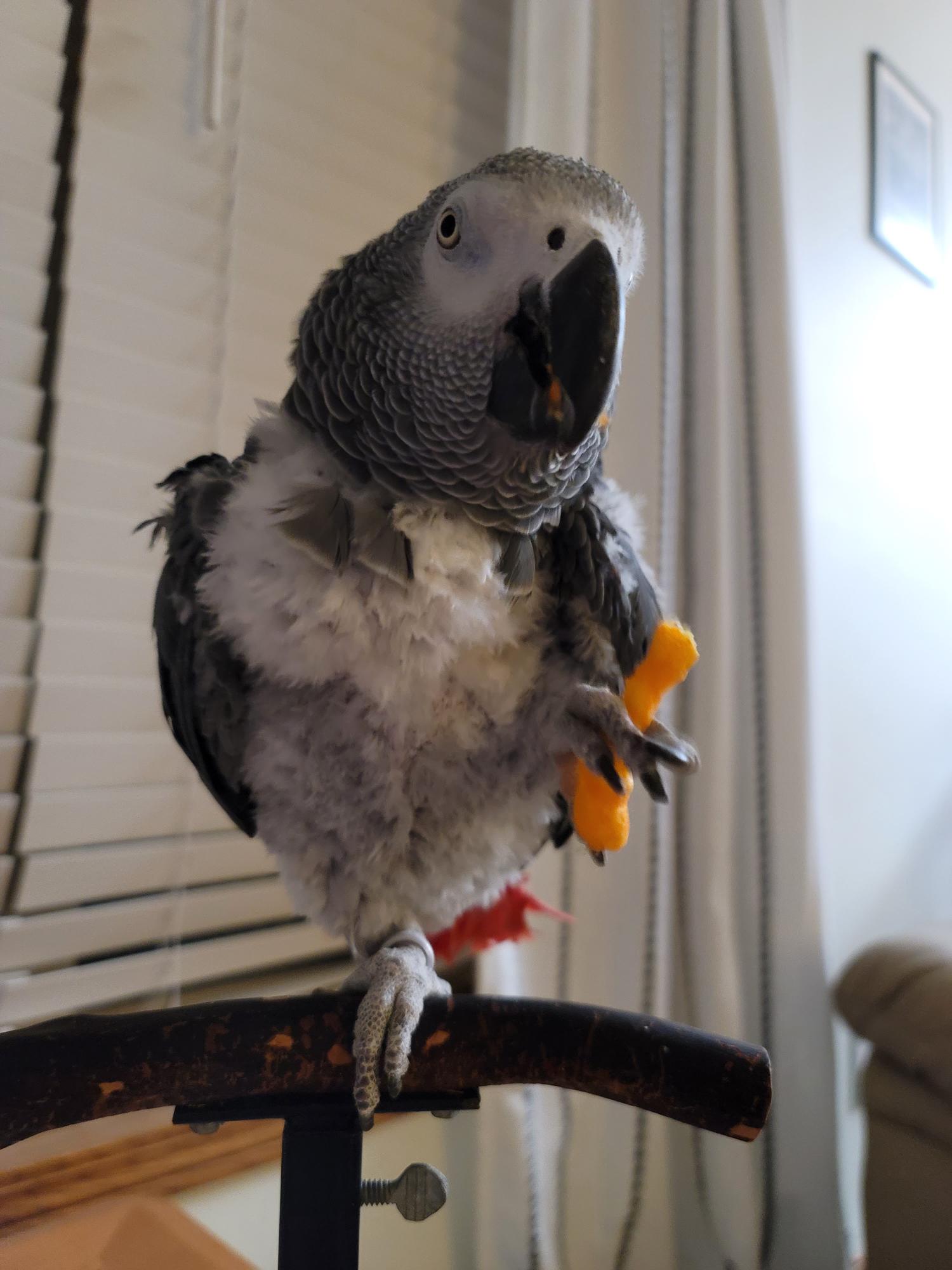
Si para nosotros es comida basura, para ellos también lo es. (Foto cortesía de Sarah Kolb)
La educación del paciente debe ser práctica y accesible. Describir las dietas a base de semillas como «comida rápida: tienen buen sabor, pero no son saludables para cada comida» ayuda a contextualizar el problema. Concéntrese en medidas realistas como aumentar el consumo de heno, introducir piensos balanceados y verduras frescas, y recomendar transiciones graduales en la dieta para mejorar el cumplimiento. Incluso pequeños cambios nutricionales pueden mejorar significativamente los resultados y la calidad de vida.
Error n.º 2: Errores de iluminación y temperatura
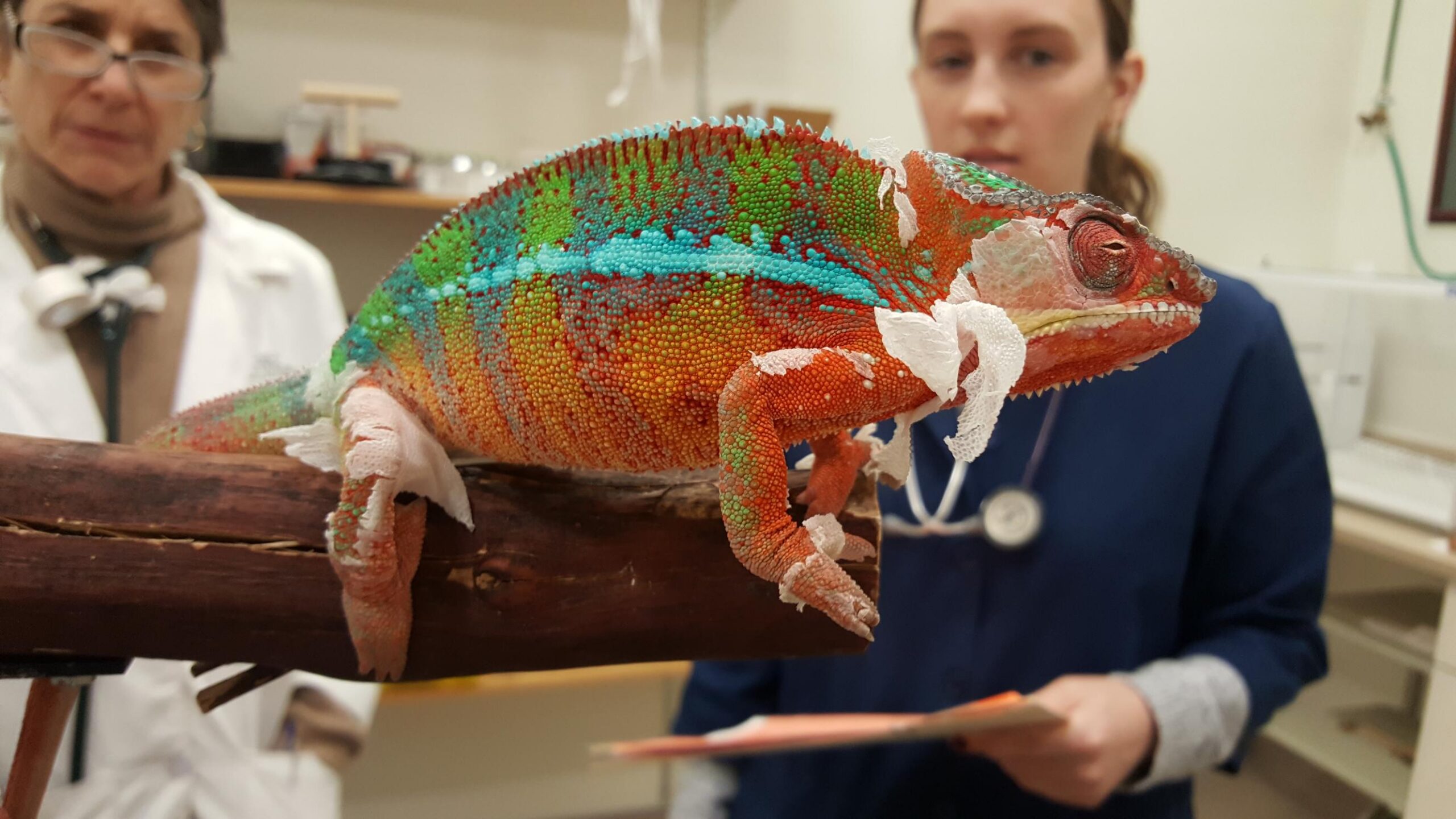
Camaleón con muda retenida: Muda retenida en un camaleón debido a condiciones ambientales y de humedad inadecuadas, lo que resulta en una ecdisis incompleta y riesgo de constricción, infección o necrosis. Foto cortesía de Sarah Kolb.
Los parámetros ambientales, en particular la iluminación y la temperatura, son cruciales para muchas especies exóticas, especialmente los reptiles. Sin una exposición adecuada a la radiación UVB y un soporte térmico apropiado, los procesos fisiológicos normales, como el metabolismo del calcio, la digestión y la función inmunitaria, se ven comprometidos. Si bien la radiación UVB es fundamental para los reptiles, la evidencia emergente sugiere que también puede beneficiar a algunas especies de aves y pequeños mamíferos.
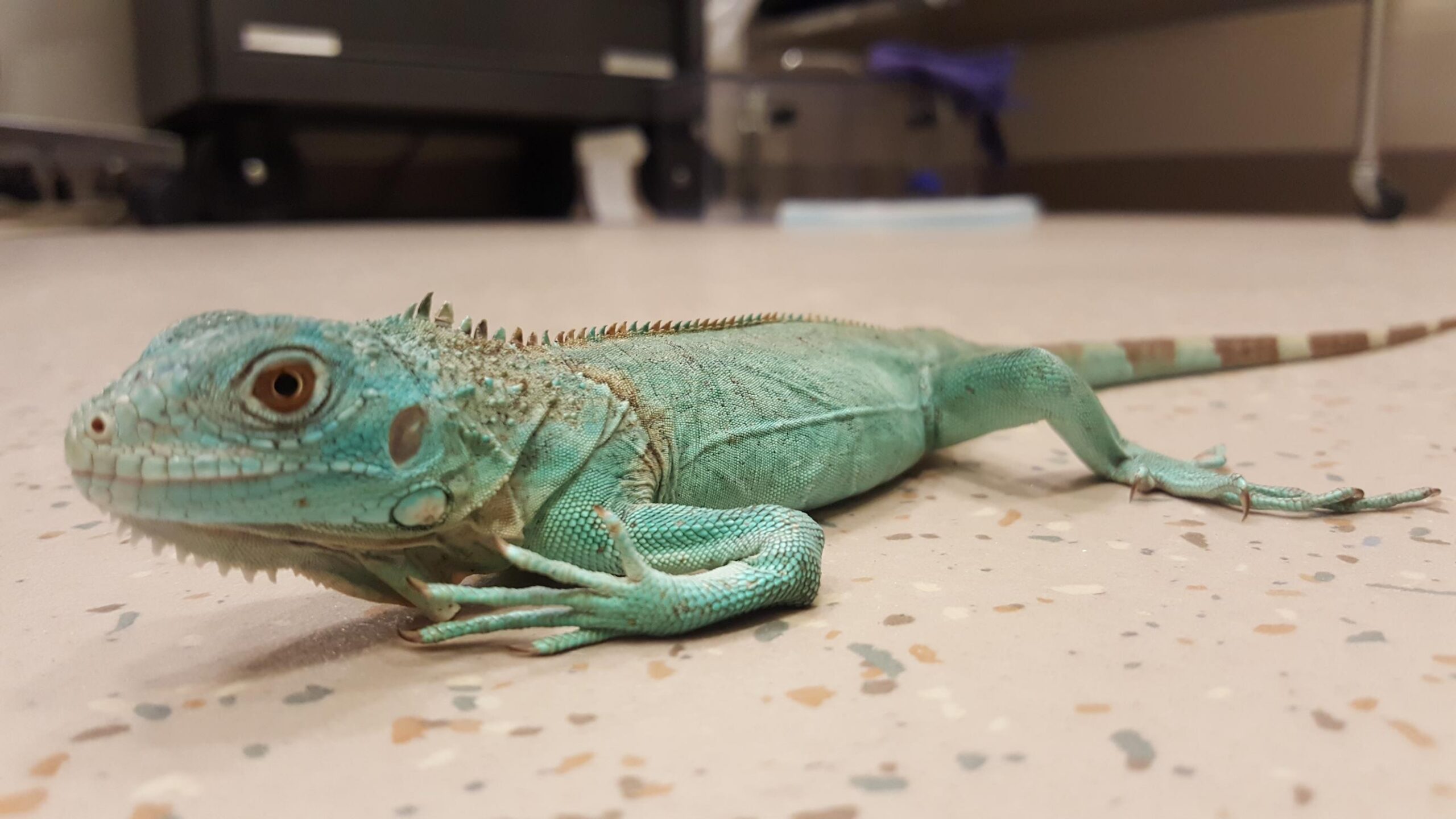
Enfermedad ósea metabólica en una iguana causada por una exposición insuficiente a la radiación UVB y un metabolismo inadecuado del calcio. Si bien es tratable, las deformidades esqueléticas resultantes del reblandecimiento de los huesos son permanentes. (Foto cortesía de Sarah Kolb)
Los problemas comunes incluyen la falta de iluminación UVB adecuada, el uso de piedras calefactoras que provocan quemaduras térmicas y la falta de gradientes de temperatura ambiente o de asoleo apropiados. Estos errores de manejo pueden tener graves consecuencias, como enfermedad ósea metabólica, deterioro de la función inmunológica y lesiones térmicas. Dado que estos factores no siempre son visibles durante el examen, con frecuencia se pasan por alto a menos que se aborden específicamente durante la anamnesis. Los reptiles requieren una exposición a la radiación UVB específica de su especie y un gradiente térmico para termorregularse eficazmente. Sin ello, no pueden digerir correctamente los alimentos ni aprovechar los nutrientes, independientemente de su dieta. Incluso una dieta perfectamente equilibrada no puede compensar una iluminación y temperatura inadecuadas. La humedad es otro factor que a menudo se pasa por alto: niveles inadecuados pueden provocar retención de la muda, deshidratación y problemas cutáneos o respiratorios.
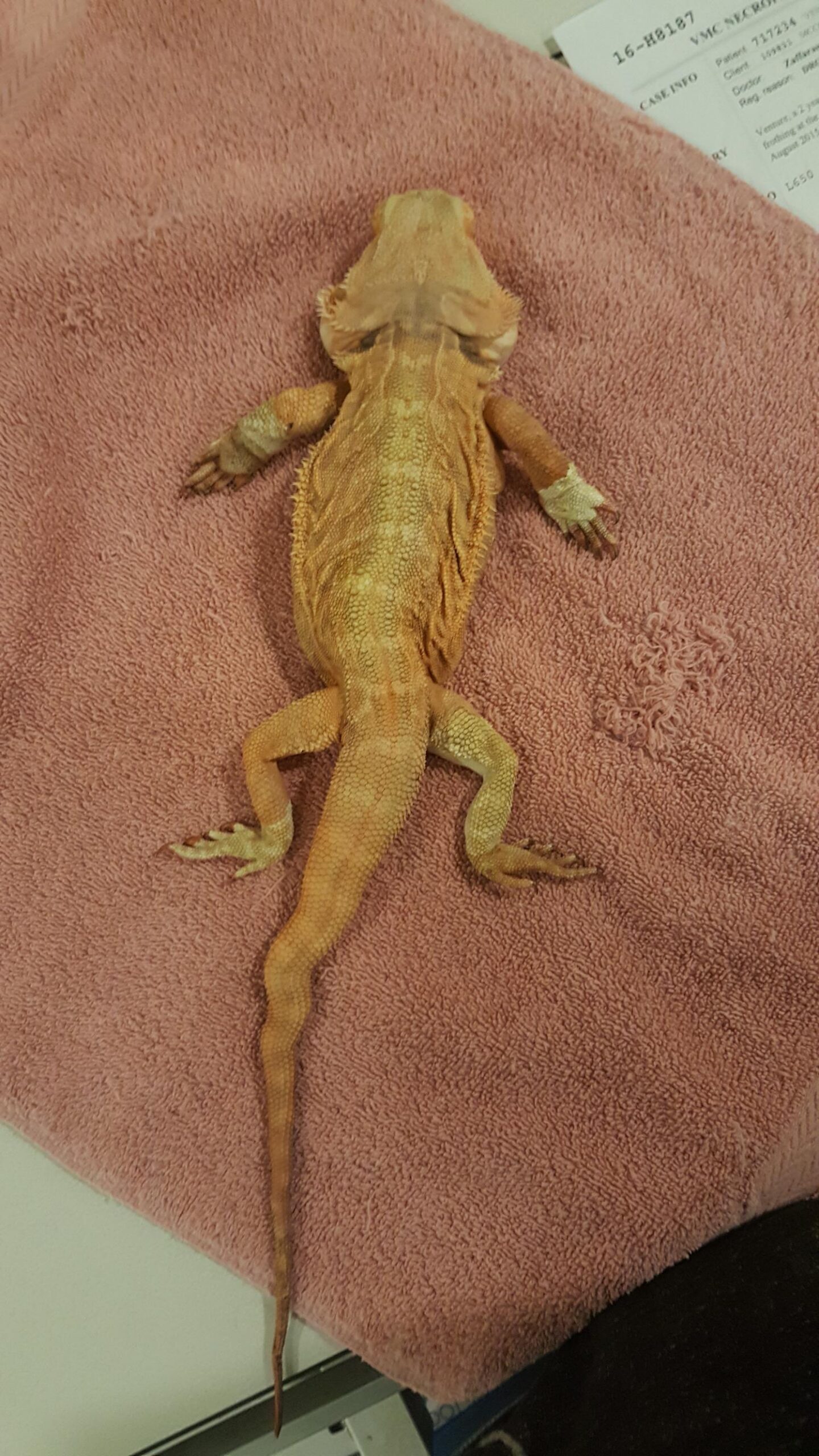
Enfermedad ósea metabólica (EOM) en un dragón barbudo. Nótese la torsión de la cola y la retención de pelo en las extremidades, ambas consecuencias de una exposición inadecuada a la radiación UVB, la temperatura y la humedad. (Foto cortesía de Sarah Kolb)
La educación del cliente debe centrarse en la funcionalidad y la practicidad. Explicar la radiación UVB en términos sencillos —«así es como los reptiles sintetizan y utilizan correctamente el calcio»— puede mejorar la comprensión y el cumplimiento. Es importante destacar la importancia de un gradiente de temperatura, no solo de una única fuente de calor, y fomentar la monitorización objetiva con termómetros o pistolas de temperatura en lugar de basarse en conjeturas. Corregir estos problemas a tiempo puede mejorar significativamente los resultados.
Error n.° 3: Vivienda inadecuada
El alojamiento es más que un simple confinamiento: influye directamente en la salud, el comportamiento y el estrés. Los recintos demasiado pequeños, mal ventilados o revestidos con sustratos inadecuados (como virutas de cedro o pino en el caso de pequeños mamíferos) son problemas comunes que se observan en la práctica.
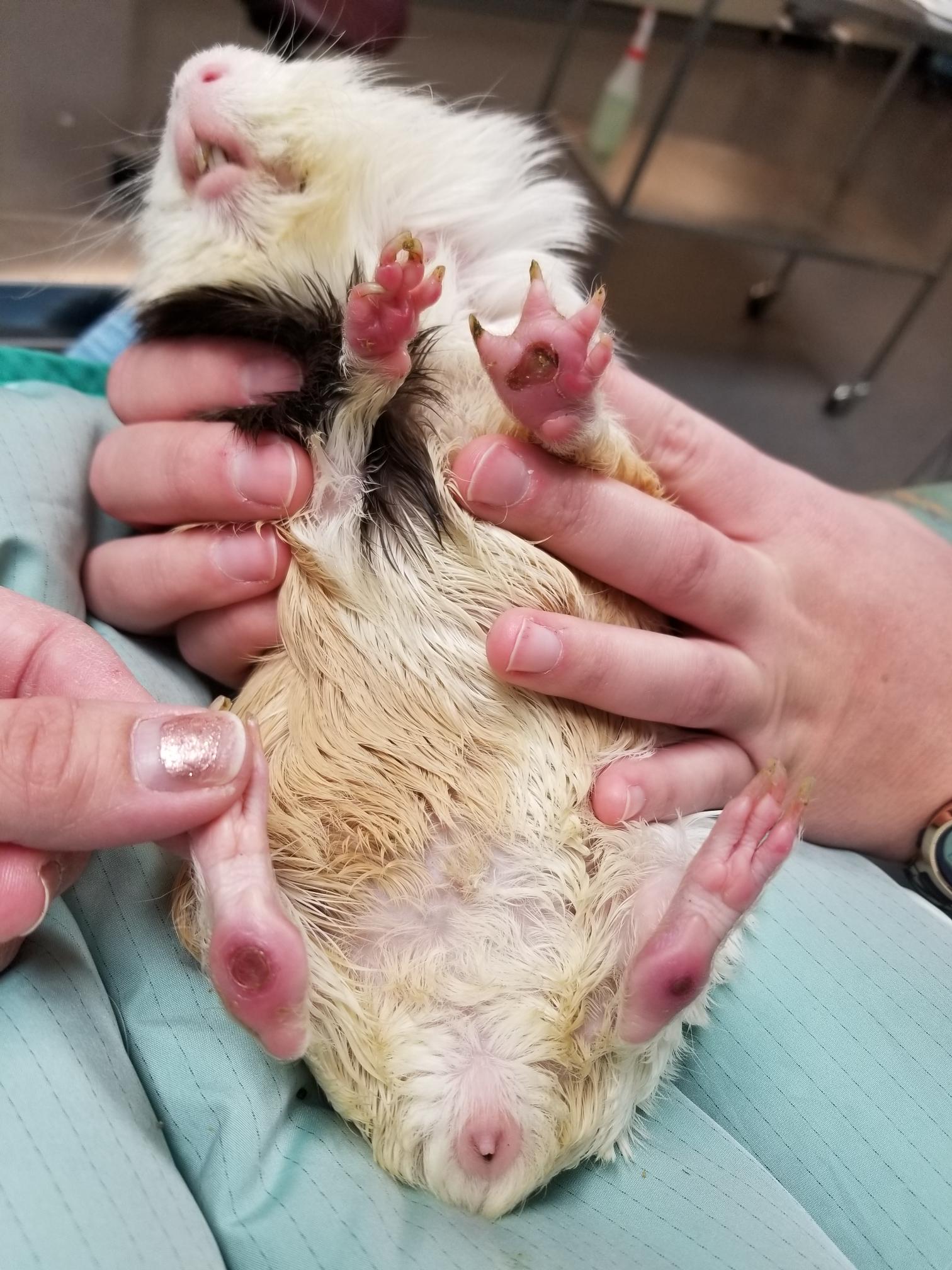
Pododermatitis grave en un conejillo de indias, comúnmente asociada con un sustrato inadecuado, mala higiene o presión crónica por un alojamiento deficiente. (Foto cortesía de Sarah Kolb)
Estos errores de manejo pueden contribuir a enfermedades respiratorias, pododermatitis y estrés crónico. Por ejemplo, los suelos de alambre o la ropa de cama húmeda y sucia pueden provocar dolorosas lesiones en las patas (pododermatitis) en conejos y roedores, mientras que la mala ventilación y la acumulación de amoníaco pueden dañar las vías respiratorias. Las mantas o toallas desgastadas también pueden representar un riesgo, ya que las fibras sueltas pueden enredarse en los dedos y causar lesiones por constricción. En los reptiles, la ingestión accidental de sustratos inadecuados puede provocar obstrucciones gastrointestinales.
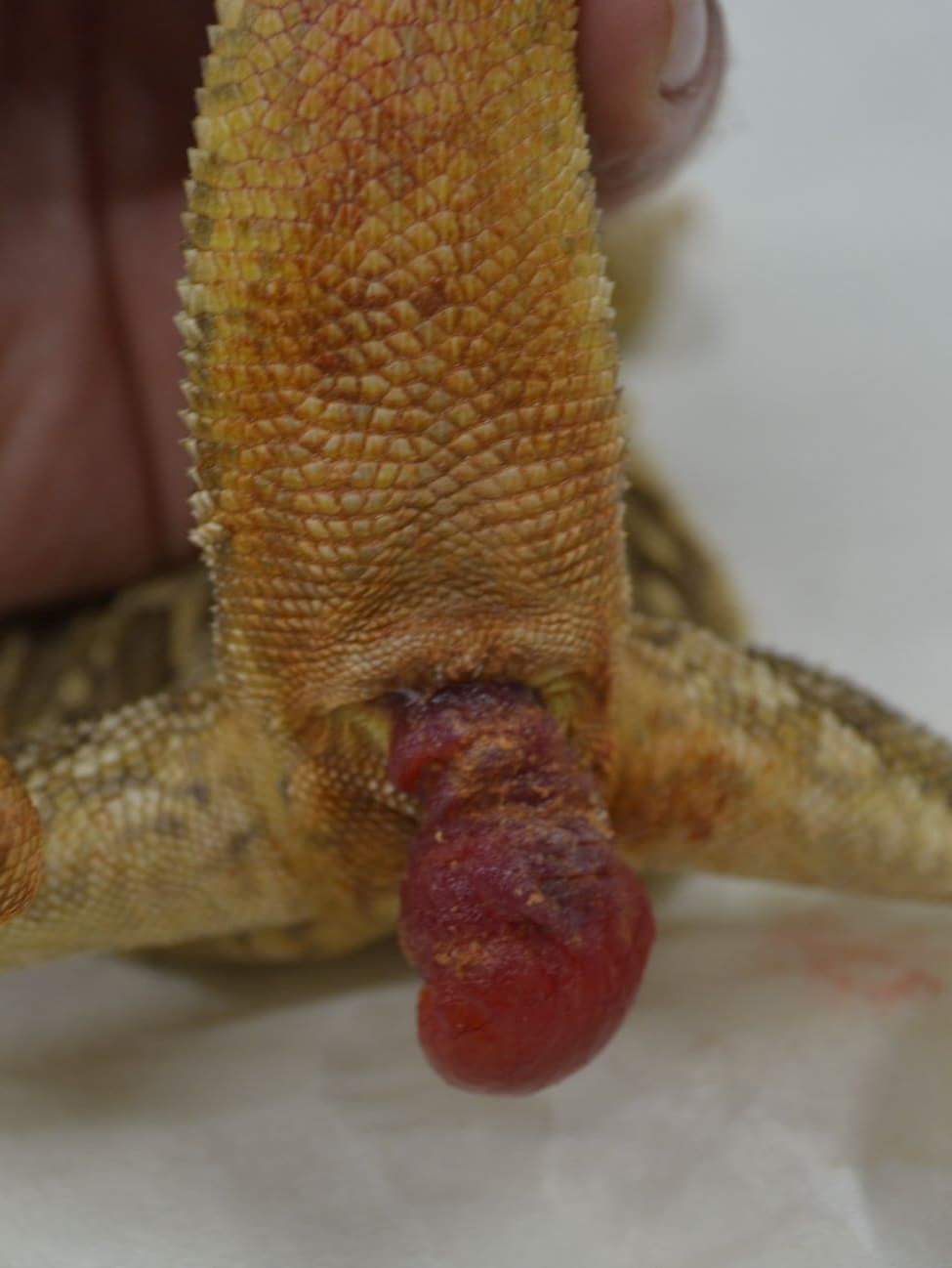
Prolapso cloacal en un dragón barbudo debido a estreñimiento (generalmente por ingestión de sustrato), estrés u otras causas: Prolapso cloacal en un dragón barbudo, comúnmente asociado con estreñimiento, ingestión inadecuada de sustrato o estrés ambiental. (Foto cortesía de Sarah Kolb)
Los clientes suelen subestimar la cantidad de espacio y estructura ambiental que sus mascotas realmente necesitan, especialmente las especies activas o muy exploradoras. Los recintos deben imitar aspectos clave del hábitat natural del animal, como el espacio, el sustrato y las oportunidades para que desarrolle sus comportamientos habituales. Las comparaciones con las que el animal pueda identificarse ayudan a ajustar las expectativas: explicar que un recinto demasiado pequeño es como "vivir toda la vida en un armario" suele ser efectivo sin resultar crítico. Combine esto con recomendaciones prácticas y alcanzables, como usar sustratos adecuados (papel o álamo temblón en lugar de pino o cedro), mantener la cama limpia y seca, y aumentar gradualmente el espacio útil o la complejidad del entorno. Incluso pequeños cambios, como añadir un escondite, mejorar el sustrato o aumentar el tamaño del recinto, pueden reducir significativamente el estrés y mejorar la salud general.
Error n.º 4: Falta de enriquecimiento
El enriquecimiento ambiental suele pasarse por alto, pero es esencial para mantener un comportamiento normal y una buena salud mental. Sin la estimulación adecuada, es común observar comportamientos destructivos en las aves, roedores que roen barrotes y obesidad e inactividad en diversas especies. Estos comportamientos no son meras peculiaridades, sino indicadores de necesidades físicas y conductuales insatisfechas. La falta de enriquecimiento impide comportamientos naturales como la búsqueda de alimento, la exploración y la resolución de problemas, lo que suele provocar aburrimiento, estrés y comportamientos repetitivos anormales.
El enriquecimiento social también es un factor importante. Algunas especies, como los conejillos de indias y los petauros del azúcar, son muy sociables y se desarrollan mejor cuando se alojan con un compañero compatible, mientras que otras pueden estresarse o volverse agresivas si se alojan juntas. Alojar especies sociales solas puede provocar estrés crónico y comportamientos anormales; por ejemplo, los petauros del azúcar pueden desarrollar depresión severa y automutilarse, y se ha demostrado que los conejillos de indias alojados individualmente tienen niveles de cortisol más altos que los que se mantienen en parejas.
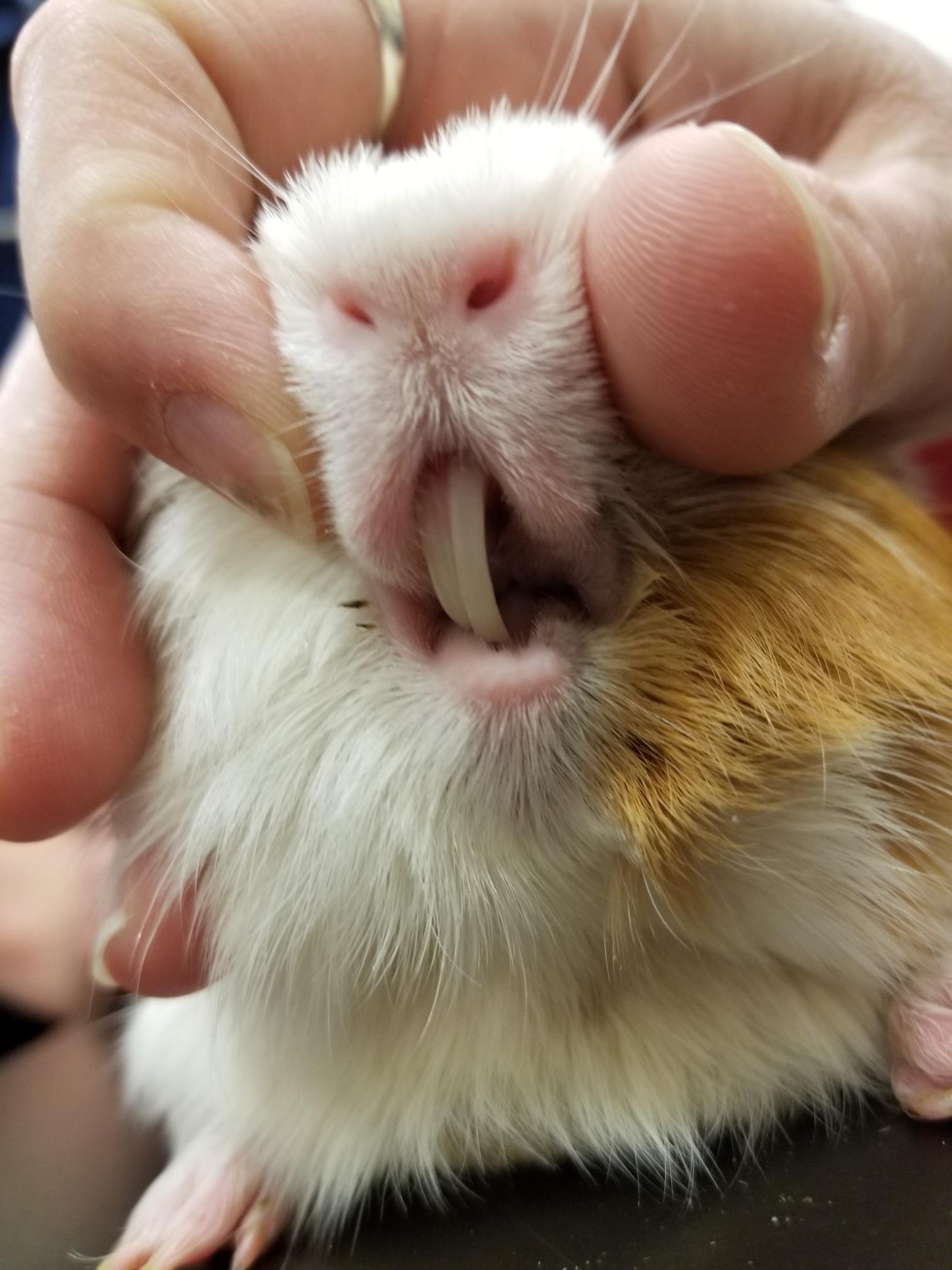
La falta de enriquecimiento ambiental adecuado, como objetos para roer, puede provocar un crecimiento excesivo de los dientes y problemas de salud secundarios en los roedores. (Foto cortesía de Sarah Kolb)
La comunicación con el cliente debe normalizar el enriquecimiento ambiental como una necesidad, no como un lujo. Presentarlo como parte de los cuidados básicos ayuda a cambiar las expectativas y a fomentar el cumplimiento. Sugerencias prácticas y alcanzables, como proporcionar oportunidades para buscar alimento, rotar los juguetes y permitir la exploración supervisada fuera del recinto, pueden marcar una diferencia significativa sin abrumar al cliente. Incluso pequeños cambios, como esconder la comida, añadir un juguete nuevo o aumentar el tiempo de interacción, pueden reducir el estrés, mejorar el comportamiento y aumentar la calidad de vida en general.
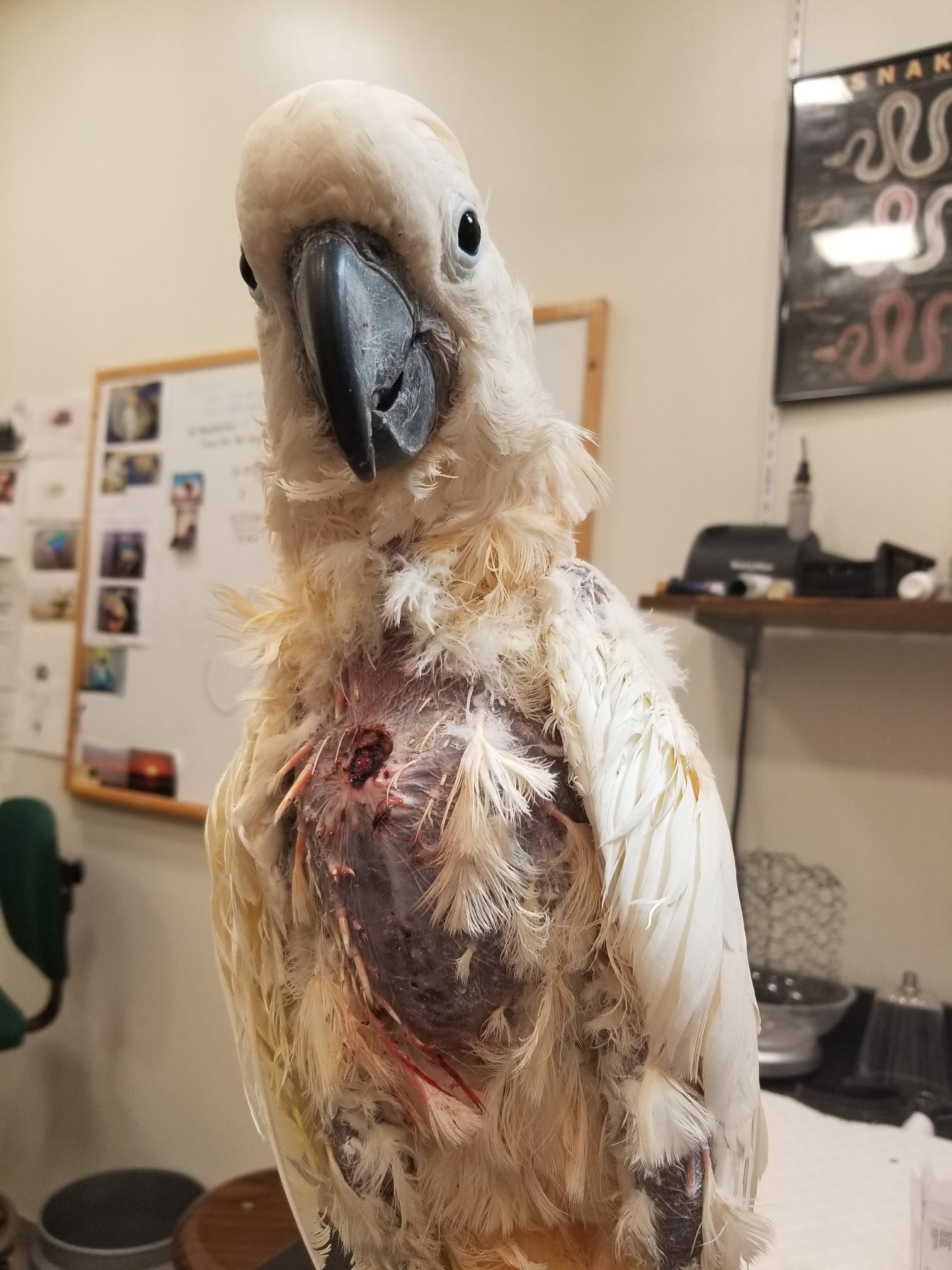
El comportamiento destructivo severo de arrancarse las plumas puede derivar en automutilación cuando no se satisfacen las necesidades conductuales y ambientales. (Foto cortesía de Sarah Kolb)
Error n.º 5: No captar las señales de comportamiento
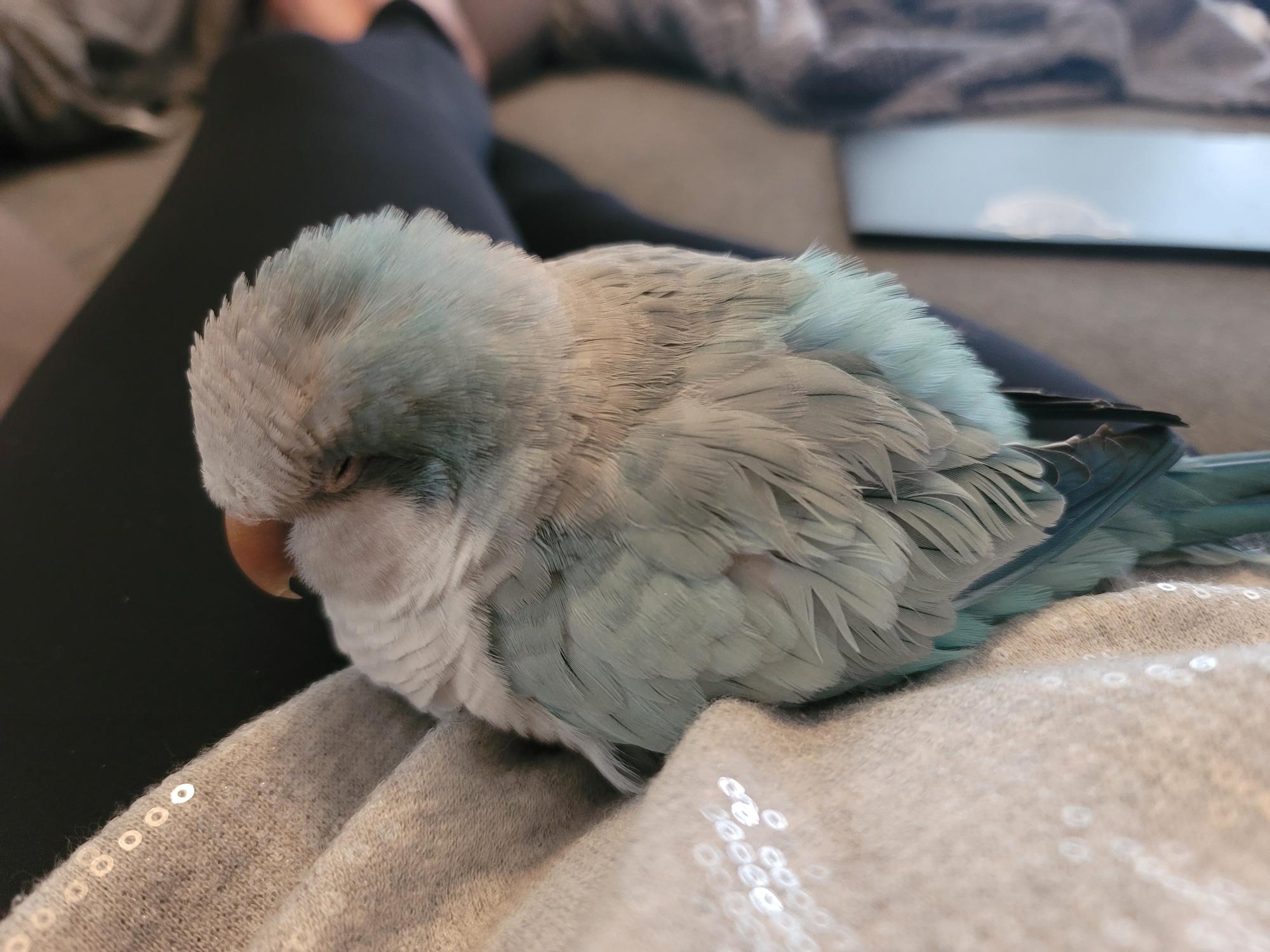
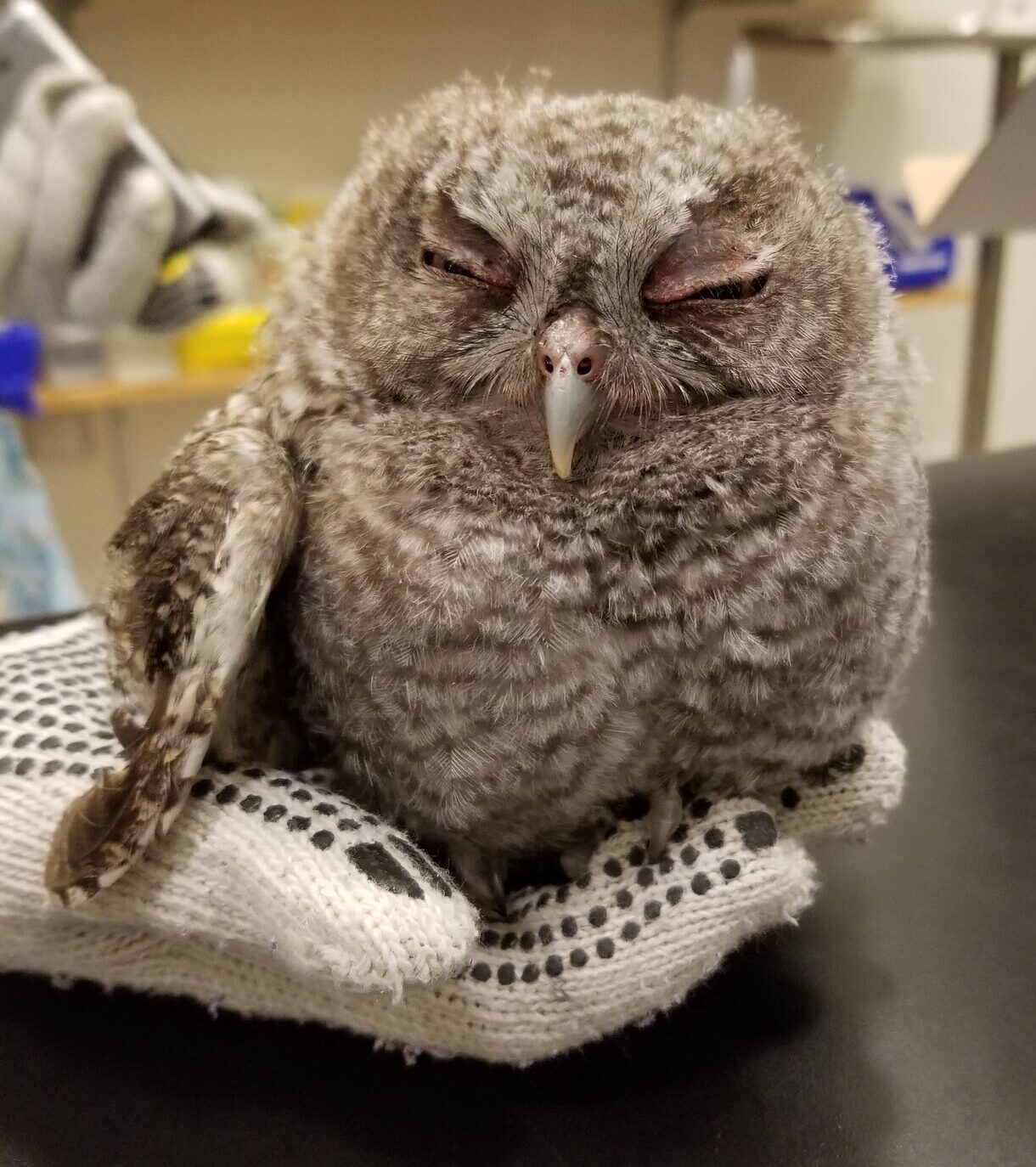
Las plumas erizadas y los ojos entrecerrados pueden indicar relajación —o una enfermedad incipiente—, por lo que el comportamiento habitual es fundamental para su interpretación. (Foto cortesía de Sarah Kolb)
Uno de los errores más comunes y con mayores consecuencias es la mala interpretación del comportamiento. Los clientes suelen normalizar cambios sutiles, como «está más callado de lo normal» o «siempre ha sido un poco agresiva», cuando estos cambios pueden indicar una enfermedad o malestar subyacente.
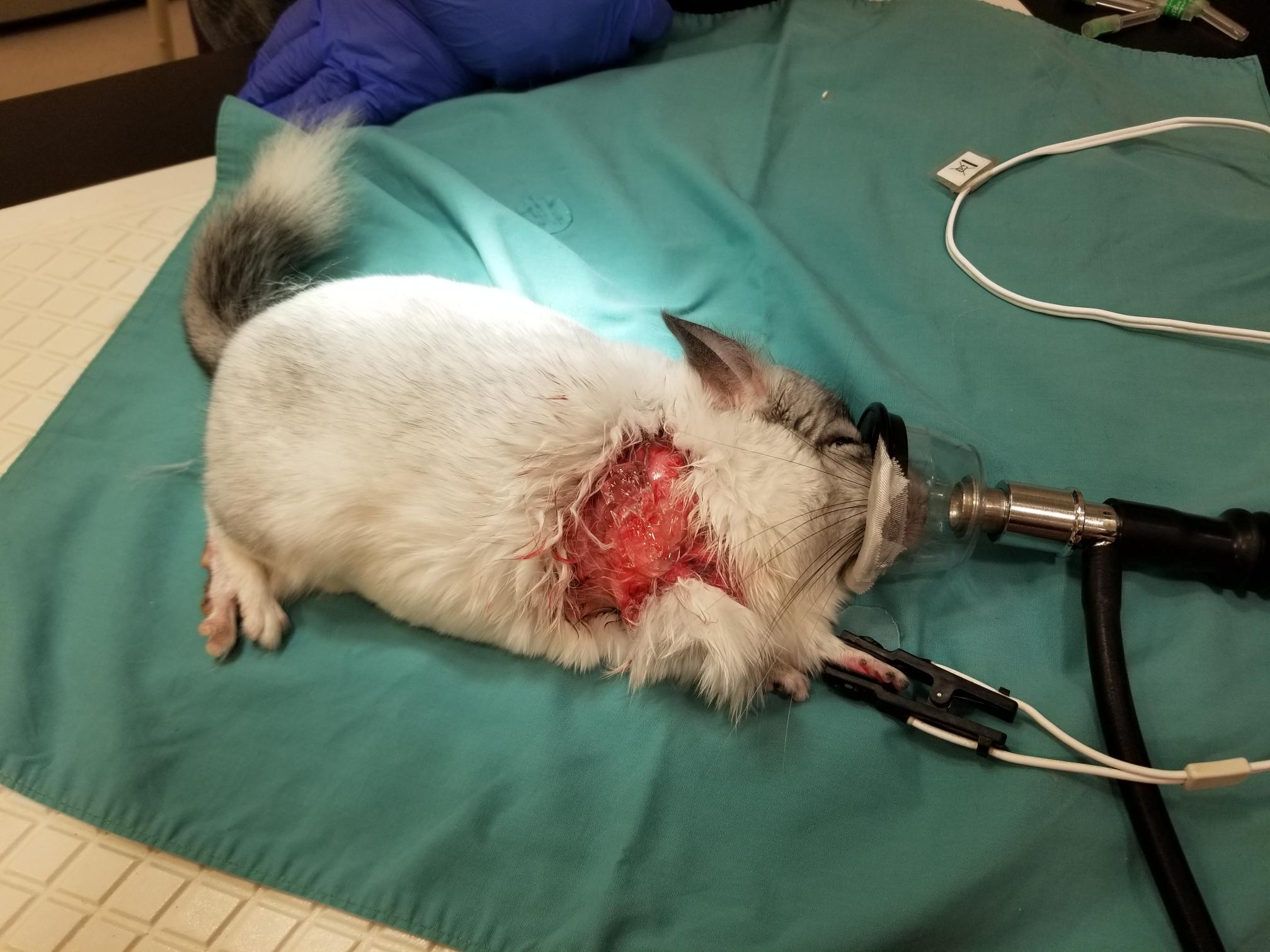
Una chinchilla sufrió una herida traumática grave a causa de una pelea por convivencia incompatible con otro macho, lo que subraya la importancia de una correcta convivencia social. (Foto cortesía de Sarah Kolb)
Las mascotas exóticas son presas y ocultan instintivamente los signos de enfermedad, lo que significa que incluso cambios leves en su comportamiento pueden ser indicadores tempranos de una enfermedad. En algunos casos, una ligera disminución del apetito o la actividad puede ser la única señal de alerta antes de que el animal se agrave. Entre las señales de alarma importantes se incluyen un mayor ocultamiento, una disminución de la actividad, cambios en el apetito o la interacción, y agresividad nueva o que empeora. Estos cambios suelen ser los primeros —y a veces los únicos— signos clínicos que se observan en animales exóticos.
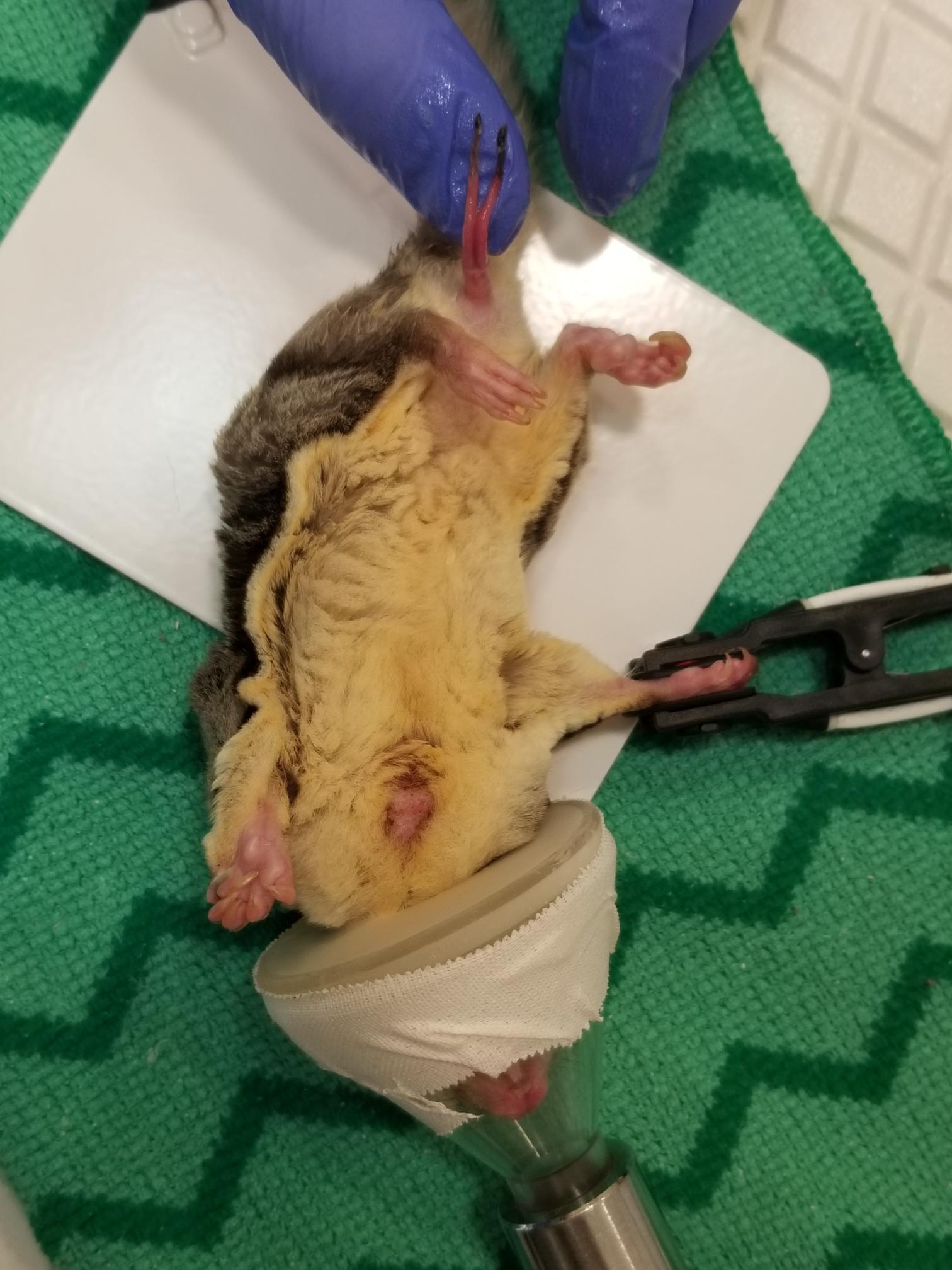
El estrés crónico y las necesidades conductuales insatisfechas pueden provocar automutilación en los petauros del azúcar, lo que en este caso requirió la amputación del pene. (Foto cortesía de Sarah Kolb)
La educación del cliente debe centrarse en establecer un punto de referencia claro sobre lo que es normal para cada animal y fomentar el seguimiento de los cambios a lo largo del tiempo. Reforzar la importancia de la evaluación veterinaria temprana ayuda a garantizar que estos signos se aborden antes de que la enfermedad progrese.
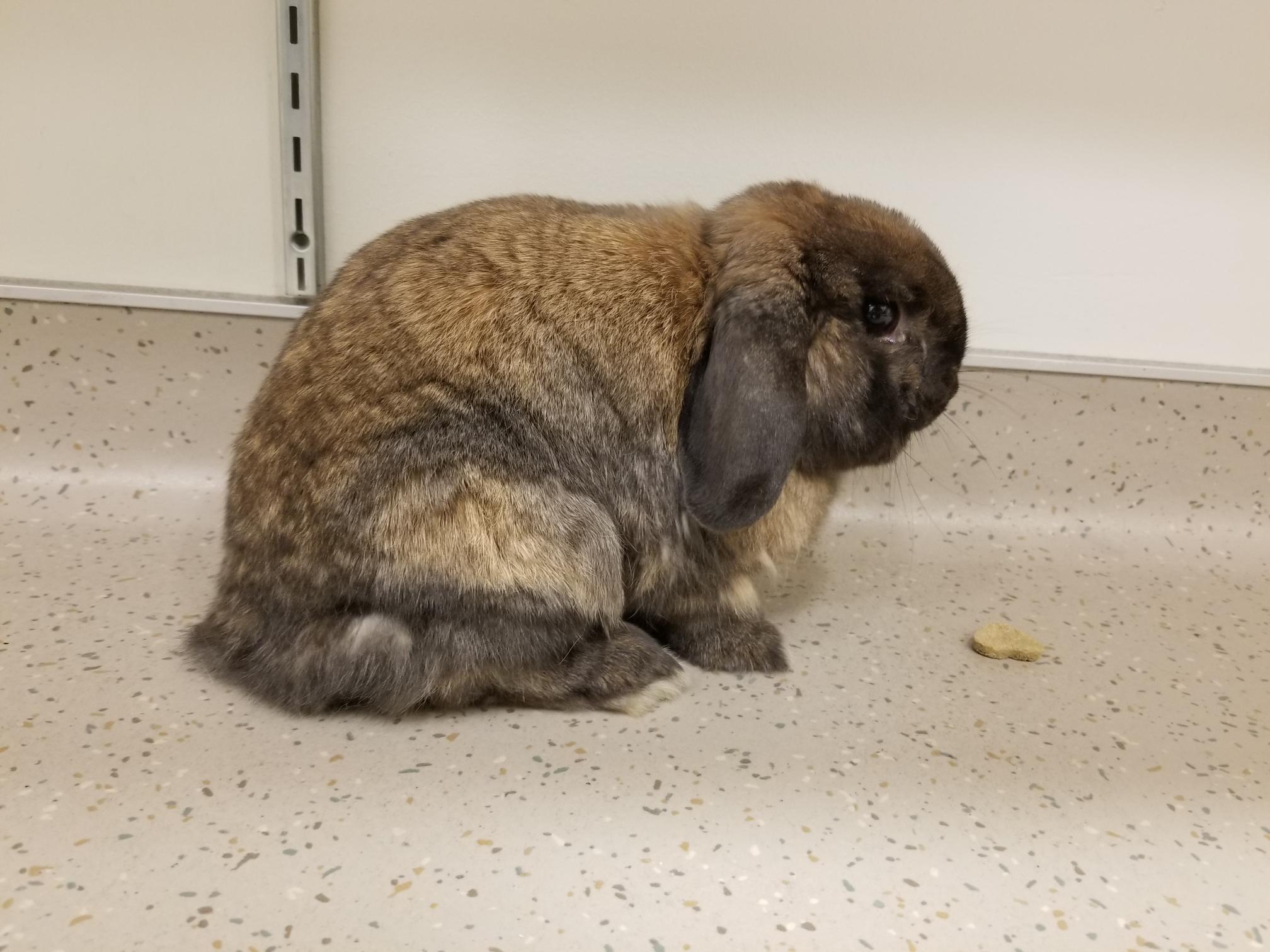
Una postura encorvada, una menor actividad y una disminución del apetito son indicadores tempranos clásicos de dolor o enfermedad en pequeños mamíferos. (Foto cortesía de Sarah Kolb)
Pequeños cambios, gran impacto
Los animales de compañía exóticos dependen completamente de su entorno para sobrevivir. A diferencia de los perros y los gatos, no pueden compensar las deficiencias en la alimentación, la iluminación, la temperatura o el alojamiento, e incluso pequeños errores en su cuidado pueden tener consecuencias fisiológicas significativas a largo plazo. Además, muchas especies exóticas son presas y ocultan instintivamente los signos de enfermedad, lo que significa que la enfermedad suele estar avanzada cuando se reconocen los síntomas clínicos. Esto convierte la evaluación del cuidado en una de las partes más importantes —y con mayor impacto— de la evaluación de cualquier paciente exótico. Los técnicos veterinarios son clave para identificar estos problemas precozmente mediante la recopilación de historiales clínicos completos, la formulación de preguntas específicas y el reconocimiento de señales de alerta sutiles.
La formación del cliente desempeña un papel fundamental en este proceso. Una comunicación clara y sin prejuicios, junto con recomendaciones prácticas y aplicables, ayuda a generar confianza y a mejorar el cumplimiento. La mayoría de los clientes desean brindar una atención excelente; simplemente necesitan orientación sobre cómo hacerlo.
Los errores en el manejo son una de las causas más comunes —y prevenibles— de enfermedades en animales exóticos de compañía. Al reconocer estos problemas a tiempo y orientar a los clientes hacia mejoras realistas, los equipos veterinarios pueden mejorar significativamente los resultados y la calidad de vida de los pacientes. Cada historial clínico, cada pregunta y cada conversación representan una oportunidad para prevenir enfermedades, no solo para tratarlas.
Solo los miembros de VETgirl pueden dejar comentarios. Iniciar Sesión or Únete a VETgirl ¡ahora!