


May 2026
In this VETgirl online veterinary continuing education blog, Dr. Jessica Higgins, GCAHM explores Highly Pathogenic Avian Influenza (HPAI) and its implications for poultry and other animal species. She examines the expanding host range of HPAI H5N1 and the clinical signs reported in poultry, dairy cattle, and cats. Dr. Higgins also emphasizes the vital role veterinarians play in surveillance, biosecurity, and public health. Stay informed on this evolving zoonotic threat and best practices for protecting animal and human health!
Not Only for the Birds: Implications of Highly Pathogenic Avian Influenza for Poultry and Other Animals
By Dr. Jessica Higgins, GCAHM
Avian influenza has attracted significant attention in recent years. Terms like “bird flu” and “H5N1” appear frequently in the news, sometimes alongside the word “pandemic,” often used inaccurately, as reports extend to infections in species well beyond poultry. The expanding host range of the virus has raised important questions for veterinary professionals: What exactly is avian influenza? How does it spread across species? And what are the implications for animal and public health? This article provides a practical overview of avian influenza, focusing on the current Highly Pathogenic Avian Influenza (HPAI) H5N1 outbreak, its growing host range, and considerations for veterinarians working with multiple species.
Understanding Influenza
Influenza viruses belong to the Orthomyxoviridae family and are single-stranded RNA viruses with segmented genomes. This genetic structure allows for frequent mutation and reassortment, enabling influenza viruses to adapt quickly and infect new hosts. Four genera are recognized: Influenza A, B, C, and D.

Since avian influenza is caused by Influenza A viruses, the remainder of this discussion focuses on this genus. Influenza A viruses are classified based on two surface proteins: hemagglutinin (HA) and neuraminidase (NA). There are 18 HA and 11 NA subtypes, forming combinations such as H5N1. Although 144 HA–NA combinations are theoretically possible, not all occur naturally or infect every host species. Wild aquatic birds host the greatest diversity of Influenza A viruses and act as the primary natural reservoir. These birds often carry viruses without showing clinical signs, shedding them into the environment through feces and respiratory secretions. This silent circulation facilitates infection of domestic poultry and other mammals. Additionally, migratory flyways facilitate intercontinental spread and viral reassortment, creating more opportunities for the virus to evolve and infect new hosts.

Avian Influenza in Domestic Poultry
Domestic poultry such as chickens, turkeys and quail are highly susceptible to avian influenza viruses. The disease is classified as low pathogenic (LPAI) or highly pathogenic (HPAI) based on its impact in poultry. LPAI usually causes mild or subclinical disease, such as reduced egg production or minor respiratory signs. H5 and H7 subtypes of LPAI are closely monitored due to their potential to mutate into highly pathogenic forms. HPAI causes high morbidity and mortality, often resulting in sudden death across flocks. Additional clinical signs of HPAI in poultry can include a marked drop in egg production, swelling of the eyelids, comb, wattles, and shanks, and purple discoloration of the comb and legs. Respiratory signs such as coughing and nasal discharge may be present, as well as neurologic signs including torticollis, ataxia, or paralysis, and diarrhea. Historically, HPAI has been limited to H5 and H7 subtypes, although any Influenza A virus meeting federal criteria may be classified as highly pathogenic. It is important to note that “highly pathogenic” refers specifically to disease severity in domestic poultry and does not predict severity in mammals or humans. The current global outbreak is caused by HPAI H5N1 clade 2.3.4.4b.

The Current H5N1 Outbreak: Timeline and Scope
The current H5N1 epidemic is the longest-lasting documented avian influenza outbreak. It first emerged in Europe in early 2021, following reassortment with H5N8, and spread to Asia, Africa, and eventually the Americas. In the United States, the virus was first detected in wild birds in January 2022, followed by the first domestic poultry case in February 2022, which involved a turkey flock in Indiana. By June 2024, H5N1 had been confirmed across all four North American migratory flyways and had reached all 50 states by December 2025. In the United States alone, over 185 million commercial and backyard birds have been affected during the epidemic, including flocks representing more than one-third of the U.S. layer industry at different points in time, contributing to fluctuations in egg supply and prices.
Host Range Expansion: H5N1 in Mammals
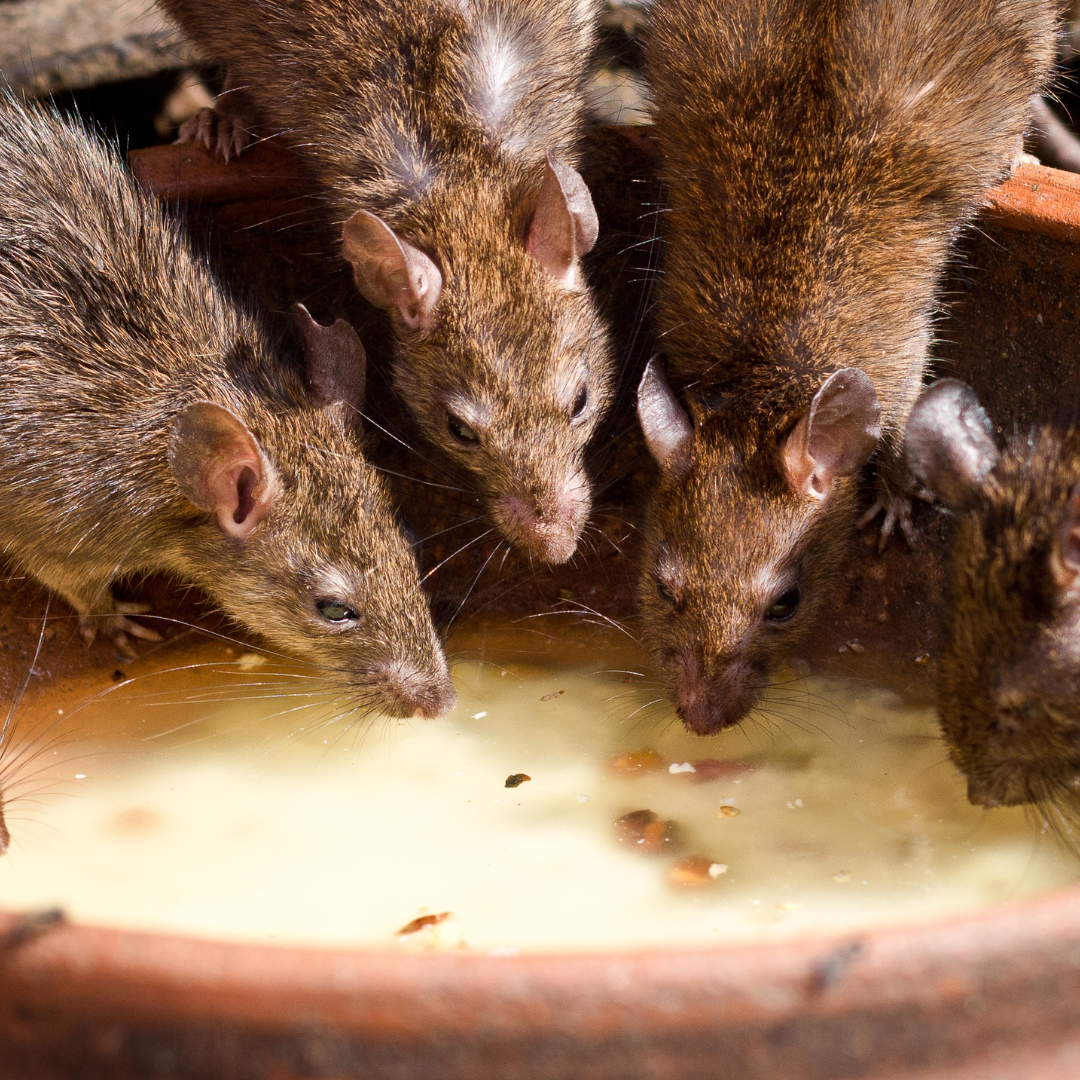
A significant development in this outbreak is the virus’s ability to infect mammals. More than 48 mammalian species, including species like seals, sea lions, mink, house mice, raccoons, bobcats, domestic and wild cats, and dairy cattle, have been affected by it. Most mammalian infections originate from contact with infected birds, though mammal-to-mammal transmission has been documented. Clinical signs vary from neurologic disease, such as encephalitis, to respiratory disease including pneumonia, sudden death, or subclinical infection. Human infections remain rare, with no evidence of sustained human-to-human transmission.
After introduction into North America, H5N1 reassorted with local wild bird influenza viruses, producing a shift in the virus pathogenicity. These North American recombinant strains have been linked to more severe neurologic disease in mammals compared with Eurasian strains, emphasizing the importance of ongoing surveillance in multiple animal populations.
H5N1 in Dairy Cattle
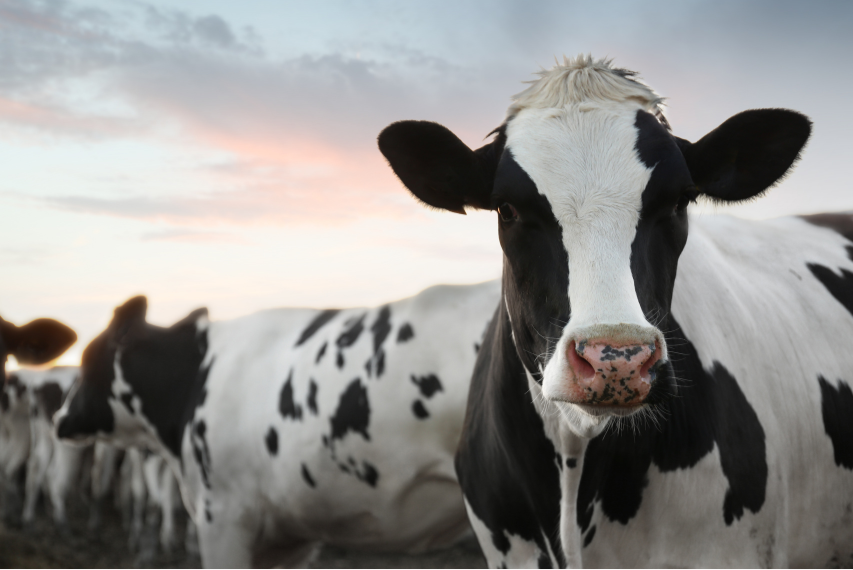
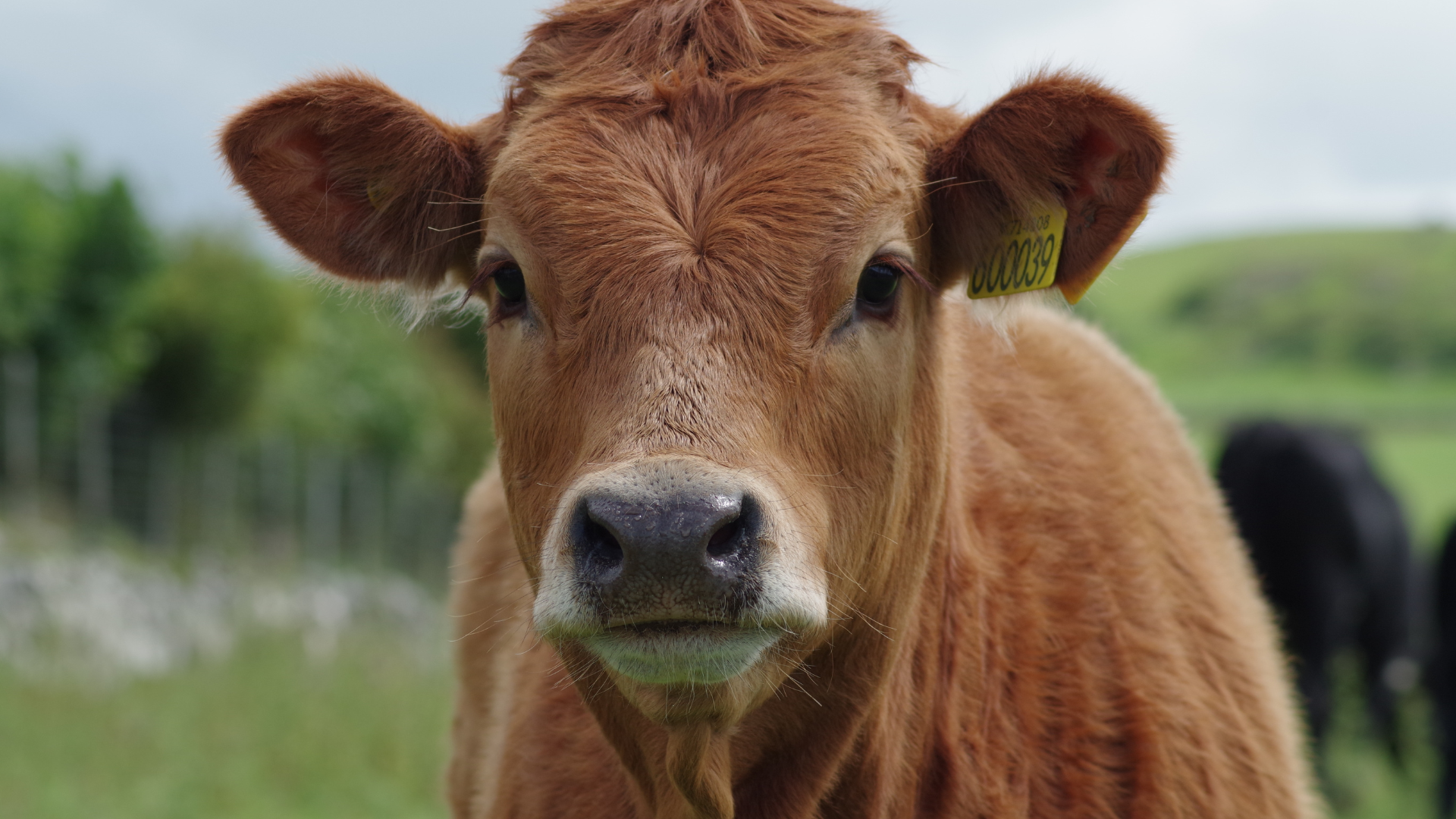
The detection of H5N1 in dairy cattle represented a major shift in epidemiology, prompting updates to surveillance protocols and biosecurity regulations in the United States. The first U.S. dairy case was reported in Texas in March 2024, and by December 2025, over 1,000 cases were confirmed across 19 states. Clinical signs include decreased milk production, lethargy, inappetence, fever, and abnormal milk consistency or color, with subtle respiratory or gastrointestinal signs sometimes present. Transmission can occur cow-to-cow, cow-to-human, and cow-to-cat. National mitigation strategies, including mandatory testing before animal movement and participation in USDA programs such as Secure Our Herds and the National Milk Testing Strategy, aim to reduce spread. Although raw milk may contain transmissible H5N1, pasteurization inactivates the virus, maintaining the safety of the commercial milk supply.


H5N1 in Domestic Cats
Domestic cats are highly susceptible, often developing severe disease after exposure to infected birds or dairy products. Clinical signs in cats have the potential to develop quickly and may include acute neurologic signs such as ataxia, seizures, and blindness, severe depression, oculonasal discharge, respiratory signs, and occasionally sudden death. Risk factors include proximity to dairy operations, consumption of raw milk or undercooked meat, and hunting or scavenging for birds or rodents. HPAI infection in cats can mimic rabies, so veterinarians should include H5N1 in the differential diagnosis for cats presenting with neurologic disease.

Human Infections and Public Health Considerations
As of December 2025, 71 human cases of HPAI H5-subtype influenza have been reported in the United States, most linked to exposure to dairy cattle or poultry:
• 41 associated with dairy cattle exposure
• 24 associated with commercial poultry
• 3 associated with backyard poultry
• 1 case (November 2025) identified as H5N5, the first globally reported human case of that subtype
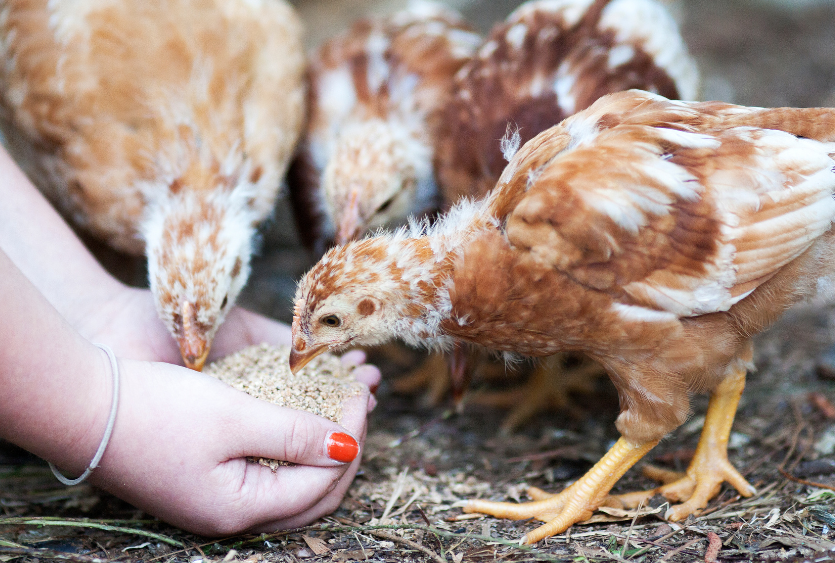
Most human infections are mild, commonly presenting as conjunctivitis. While media reports sometimes use the term “pandemic,” a true influenza pandemic requires efficient human-to-human transmission, which has not occurred with this H5N1 outbreak. This outbreak is more accurately described as panzootic due to it affecting multiple animal species across wide geographic areas.
Prevention and Veterinary Responsibilities
Veterinary professionals play a key role in minimizing public health risk through surveillance, reporting, and biosecurity. HPAI is a reportable disease in all species, and suspected cases must be reported immediately to USDA APHIS Veterinary Services and the appropriate State Animal Health Officials. USDA APHIS Veterinary Services can be reached through your area veterinarian in charge or the Foreign Animal Disease Hotline (toll-free: 1-866-536-7593, available after hours and on weekends). State veterinary office contact information is also available online through individual state department of agriculture websites. These agencies provide guidance on suspected cases, assist with case management, and answer related questions as needed.

High-quality surveillance is essential, particularly in high-risk populations. Veterinarians should implement and advise clients on strong biosecurity measures, including minimizing contact between domestic animals and wildlife, controlling animal movement, and avoiding raw milk or undercooked meats. Resources and guidelines are available from the USDA and AVMA for veterinary professionals to access and utilize for client education.

Conclusion
H5N1 avian influenza is no longer just a poultry disease. Its rapid evolution, intercontinental spread, and ability to infect multiple mammalian species – including dairy cattle and domestic cats – highlight the interconnected nature of animal and human health.
For veterinary professionals, this outbreak reinforces the need for vigilance. Animals presenting with acute neurologic, respiratory, or systemic signs, particularly in regions with known cases, should prompt consideration of HPAI. Early recognition, prompt reporting to USDA APHIS and state authorities, and strict biosecurity are essential to control spread and protect both animal and public health. Regular monitoring of animal health, awareness of local outbreak trends, and maintaining good biosecurity protocols can help minimize risk and improve outcomes for both commercial and companion animals.
This outbreak also demonstrates the One Health principle, emphasizing the close links between animal, human, and environmental health. Cross-species transmission, viral reassortment, and occasional human infections – though currently rare and typically mild – highlight the importance of coordinated surveillance, preventive measures, and collaboration across veterinary and public health disciplines. Effective communication with clients and other animal health professionals is critical for rapid response and education on emerging risks.
While eradication is unlikely, veterinarians are central to mitigation. Through careful observation, timely reporting, enforcement of biosecurity practices, and client education, clinicians can help manage this panzootic outbreak and safeguard the health of animals and humans who care for them. Proactive monitoring and preventive action remain the most effective tools for limiting the impact of HPAI across species.
Abbreviations:
HA: hemagglutinin
HPAI: highly pathogenic avian influenza
LPAI: low pathogenic avian influenza
NA: neuraminidase
References:
- American Veterinary Medical Association. Avian influenza A (H5N1) in cats. Accessed February 12, 2026.
- Bowman A. H5N1 influenza: Who is giving what to whom? Lecture. 2024.
- Burrough ER, Magstadt DR, Petersen B, et al. Highly pathogenic avian influenza A(H5N1) clade 2.3.4.4b virus infection in domestic dairy cattle and cats, United States, 2024. Emerg Infect Dis. 2024;30(7):1335-1343. doi:10.3201/eid3007.240508
- Centers for Disease Control and Prevention. Current situation: Bird flu in wild birds. Updated May 2, 2024. Accessed February 12, 2026.
- Centers for Disease Control and Prevention. About pandemic influenza. Updated March 27, 2024. Accessed February 12, 2026.
- Chrzastek K, Lieber CM, Plemper RK. H5N1 clade 2.3.4.4b: Evolution, global spread, and host range expansion. Pathogens. 2025;14(9):929. doi:10.3390/pathogens14090929
- Guan L, Eisfeld AJ, Pattinson D, et al. Cow’s milk containing avian influenza A(H5N1) virus—heat inactivation and infectivity in mice. N Engl J Med. 2024;391(1):87-90. doi:10.1056/NEJMc2405495
- Kandeil A, Patton C, Jones JC, et al. Rapid evolution of A(H5N1) influenza viruses after intercontinental spread to North America. Nat Commun. 2023;14(1):38415. doi:10.1038/s41467-023-38415-7
- Liu R, Sheng Z, Huang C, et al. Influenza D virus. Curr Opin Virol. 2020;44:154-161. doi:10.1016/j.coviro.2020.08.004
- Petersen BA. High-pathogenicity (highly pathogenic) avian influenza in cattle. Merck Veterinary Manual. Published August 2025. Accessed February 12, 2026.
- Plaza PI, Gamarra-Toledo V, Euguí JR, et al. Recent changes in patterns of mammal infection with highly pathogenic avian influenza A(H5N1) virus worldwide. Emerg Infect Dis. 2024;30(3):e231098. doi:10.3201/eid3003.231098
- Rolfes MA, Kniss K, Kirby MK, et al. Human infections with highly pathogenic avian influenza A(H5N1) viruses in the United States from March 2024 to May 2025. Nat Med. 2025;31(11):3889-3898. doi:10.1038/s41591-025-03905-2
- Uyeki TM, Milton S, Abdul Hamid C, et al. Highly pathogenic avian influenza A(H5N1) virus infection in a dairy farm worker. N Engl J Med. 2024;390(21):2028-2029. doi:10.1056/NEJMc2405371
- US Department of Agriculture, Animal and Plant Health Inspection Service. Confirmations of highly pathogenic avian influenza in commercial and backyard flocks. Accessed February 12, 2026.
- US Department of Agriculture, Animal and Plant Health Inspection Service. HPAI confirmed cases in livestock. Accessed February 12, 2026.
- World Health Organization. Avian influenza A(H5N5)—United States of America. Disease Outbreak News. Published December 5, 2025. Accessed February 12, 2026.


Only VETgirl members can leave comments. Sign In or Join VETgirl now!