Termini e condizioni del sito web VETgirl®
Grazie per aver visitato il sito web di VETgirl ("VETgirl"). Questi Termini e Condizioni (il "Termini e condizioni") si applicano al sito Web VETgirl (https://vetgirlontherun.com) e includono, senza limitazioni, siti Web mobili correlati, micrositi, applicazioni mobili, profili VETgirl sui siti di social media e qualsiasi altro servizio o proprietà digitale gestito o utilizzato da VETgirl (collettivamente indicato come il “Siti”). Utilizzando i Siti, accetti di rispettare e di essere vincolato da questi Termini e Condizioni e dall'Informativa sulla privacy di VETgirl. Si prega di leggere attentamente questi Termini e condizioni e l'Informativa sulla privacy. Iscrivendoti per essere un membro VETgirl, accetti anche il nostro Contratto di abbonamento essere trovato QUI così come il nostro centro assistenza Qui.. Se non accetti i presenti Termini e condizioni e l'Informativa sulla privacy, devi interrompere immediatamente l'utilizzo dei Siti.
1. Licenza. Ti concediamo una licenza non esclusiva e non trasferibile per utilizzare i Siti e i servizi in essi soggetti ai termini del presente documento per un periodo che inizia dalla data di accettazione dei presenti Termini e condizioni e termina alla prima tra: (a) la data in cui ti informiamo di la nostra risoluzione di questi Termini e Condizioni; o (b) la data in cui ci comunichi la risoluzione dei presenti Termini e condizioni. È tua responsabilità proteggere adeguatamente le tue informazioni di accesso, inclusi nome utente e password, dall'uso da parte di terzi. Licenze per la visualizzazione di qualsiasi formazione continua ("CE") e l'ascolto di podcast saranno soggetti ai termini dell'abbonamento applicabile o dell'acquisto una tantum. È possibile utilizzare i Siti e il Contenuto VETgirl (come definito di seguito, vedere la Sezione 6) per uso personale non commerciale e per nessun altro scopo. La condivisione degli account è contro i TOS e soggetta alla cancellazione immediata dell'account senza rimborso. Gli account individuali sono solo per quell'individuo. Gli account TEAM VETgirl, sebbene convenienti, sono anche solo per uso individuale. Quando si crea un account del team, a ogni individuo all'interno di quel team viene fornito un account individuale per l'accesso al sito Web che non può essere condiviso né trasferito a un altro individuo.
2. Restrizioni di licenza. Se non diversamente specificato nei presenti Termini e condizioni o non si riceve il previo consenso scritto di VETgirl, non è possibile modificare, tradurre, creare opere derivate, copiare, distribuire, commercializzare, visualizzare, rimuovere o alterare avvisi di proprietà o etichette da, noleggiare, vendere , concedere in sublicenza, clonare, trasferire, decompilare, decodificare o incorporare in qualsiasi sistema di recupero delle informazioni (elettronico o meccanico), i Siti, qualsiasi Contenuto VETgirl (come definito di seguito, Sezione 6) o qualsiasi parte di esso. Inoltre, non puoi: (a) utilizzare i Siti per qualsiasi scopo o attività non autorizzata o illegale inclusa, ma non limitata a, qualsiasi attività per ottenere o tentare di ottenere l'accesso non autorizzato ai Siti, incluso il Contenuto VETgirl; (b) interferire con il corretto funzionamento dei Siti inclusa, ma non limitata a, la trasmissione di virus, worm, botola, backdoor, timer, orologio, cavallo di Troia, attacchi di negazione del servizio o altre routine limitanti, istruzioni o design; o (c) interferire con l'utilizzo e il godimento dei Siti da parte di qualsiasi altra persona.
3. La tua accettazione; Revisioni a Termini e Condizioni. I Siti sono disponibili solo per le persone che possono stipulare contratti legalmente vincolanti ai sensi della legge applicabile. Questi Termini e Condizioni costituiscono un accordo legalmente vincolante tra te e VETgirl riguardo al tuo utilizzo e accesso ai Siti. Utilizzando i Siti accetti incondizionatamente questi Termini e Condizioni. VETgirl si riserva il diritto di rivedere questi Termini e Condizioni in qualsiasi momento a sua esclusiva discrezione pubblicando Termini e Condizioni modificati sui Siti. L'utilizzo dei Siti implica l'accettazione di tutti i termini di utilizzo contenuti nei Termini e condizioni pubblicati al momento dell'utilizzo.
4. Tutela della privacy. Per informazioni sulle pratiche di protezione dei dati di VETgirl e sull'uso e la protezione delle informazioni personali da parte di VETgirl, leggere l'Informativa sulla privacy di VETgirl che è incorporata per riferimento in questi Termini e condizioni.
5. Obblighi dell'utente. Come prerequisito per l'utilizzo dei Siti, l'utente garantisce e garantisce di rispettare, senza limitazioni, tutte le leggi e i regolamenti locali, statali, nazionali e internazionali applicabili in relazione all'utilizzo dei Siti e di non interferire con l'uso e il godimento di i Siti da altri utenti o interferire con il funzionamento e la gestione dei Siti da parte di VETgirl. Accetti incondizionatamente che non utilizzerai i Siti per caricare, scaricare, pubblicare, inviare tramite e-mail, trasmettere o altrimenti rendere disponibile alcun Contenuto, anche tramite eventuali allegati:
(a) che sia illegale, dannoso, minaccioso, offensivo, molesto, illecito, diffamatorio, volgare, osceno, calunnioso, lesivo della privacy altrui, odioso o razzista, etnico o altrimenti discutibile;
(b) di non avere il diritto di rendere disponibili ai sensi di alcuna legge o in base a rapporti contrattuali o fiduciari (come, a titolo esemplificativo, informazioni privilegiate, informazioni proprietarie e riservate apprese o divulgate come parte di rapporti di lavoro o in base ad accordi di non divulgazione );
(c) che violi brevetti, marchi, segreti commerciali, diritti d'autore o altri diritti di proprietà di qualsiasi parte;
(d) qualsiasi pubblicità, materiale promozionale o spam non richiesti o non autorizzati;
(e) qualsiasi materiale che contenga virus software o qualsiasi altro codice, file o programma per computer progettati per interrompere, distruggere o limitare la funzionalità di qualsiasi software, hardware o apparecchiatura di telecomunicazione; e
(f) che possano violare intenzionalmente o meno qualsiasi legge locale, statale, nazionale o internazionale applicabile.
6. Marchi e copyright: contenuto. Il Contenuto dei Siti include, senza limitazioni,
(a) I marchi di fabbrica, i marchi di servizio, i loghi, i marchi e i nomi di marchi di VETgirl, gli abiti e i nomi commerciali di VETgirl e altre identificazioni distintive (collettivamente “Segnali VETgirl”);
(b) informazioni, dati, materiali, interfacce, codici informatici, database, prodotti, servizi, applicazioni e strumenti software, testi, immagini e fotografie; e
(c) la progettazione, la struttura, la selezione, la compilazione, l'assemblaggio, il coordinamento, l'espressione, le funzionalità, le applicazioni, l'aspetto grafico e la disposizione di qualsiasi contenuto contenuto o disponibile attraverso i Siti (gli elementi identificati nelle sottosezioni (a) (b) e (c) sono collettivamente denominate nel presente documento come "Contenuto VETgirl" or "Soddisfare").
Il contenuto di VETgirl è di proprietà di VETgirl, dei suoi licenziatari, sponsor, partner, inserzionisti, fornitori di contenuti o altre terze parti ed è protetto dalla legge. La riproduzione, la trasmissione, la distribuzione, la vendita, la pubblicazione, la trasmissione, la circolazione o la diffusione di qualsiasi Contenuto VETgirl da parte dell'utente, o da parte dell'utente tramite qualsiasi altra persona o entità, è severamente vietata e illegale a meno che non sia stato ottenuto separatamente il consenso scritto espresso dal proprietario di tale Contenuto. Non puoi alterare, eliminare, oscurare o nascondere alcun copyright o altro avviso che appare in qualsiasi Contenuto VETgirl.
7. Nessuna riproduzione o rivendita. Non sei autorizzato a utilizzare alcuna proprietà intellettuale di proprietà di VETgirl per la rivendita a qualsiasi altra persona o entità. L'utente non può modificare, copiare, distribuire, trasmettere, visualizzare, eseguire, riprodurre, pubblicare, concedere in licenza, creare opere derivate, trasferire o vendere proprietà intellettuale, informazioni, software, prodotti o servizi ottenuti dai Siti. Tuttavia, è possibile eseguire lo streaming o il download, ove specificamente consentito, di podcast, video e/o materiali correlati dai Siti esclusivamente per uso personale, educativo e non commerciale, a condizione di mantenere intatti tutti i diritti d'autore, i marchi registrati e altri avvisi di proprietà.
8. Nessun uso illegale, proibito o sconsiderato. Come condizione per l'utilizzo dei Siti e dei servizi e prodotti in essi contenuti, garantisci a VETgirl che non utilizzerai i Siti per scopi illegali o proibiti da questi Termini e Condizioni. Non puoi utilizzare i Siti in alcun modo che possa mettere a repentaglio la tua sicurezza o quella degli altri, inclusi messaggi di testo, streaming, e-mail o utilizzo dei Siti durante la guida, la corsa o la partecipazione ad altre attività che richiedono la tua attenzione alla sicurezza.
9. Notifica di presunta violazione del copyright. Ai sensi della Sezione 17 USC 512 (c) (2) del Copyright Act, VETgirl designa il seguente individuo come suo agente per la ricezione delle notifiche di violazione del copyright rivendicata:
Nome: Dr. Garret Pachtinger
Titolo: Direttore del programma, Servizi educativi
Numero di telefono: 1-833-VET-GIRL
E-mail: [email protected]
Indirizzo disponibile su richiesta
10. Informazioni, pubblicità e siti Web di terzi: Esclusione di responsabilità. L'utilizzo di Internet e dei Siti è esclusivamente a rischio dell'utente ed è soggetto, senza limitazioni, a tutte le leggi e normative locali, statali, nazionali e internazionali applicabili. Se non espressamente richiesto dalla legge, VETgirl non garantisce e non può garantire la riservatezza o la sicurezza di qualsiasi comunicazione o altro materiale trasmesso da o verso i Siti tramite Internet o altre reti di comunicazione. I Siti possono contenere pubblicità, ma l'inclusione di pubblicità sui Siti non implica l'approvazione dei prodotti o servizi pubblicizzati. VETgirl non sarà responsabile per eventuali perdite o danni di alcun tipo subiti a seguito della presenza di tali annunci pubblicitari sui Siti. I Siti possono anche contenere materiali, informazioni, prodotti e servizi forniti da terzi. Tali informazioni, inclusi ma non limitati ad articoli, opinioni, consigli, dichiarazioni, servizi, offerte o altre informazioni rese disponibili da terze parti come fornitori di contenuti e altri utenti dei Siti sono quelle della rispettiva terza parte e non di VETgirl o suoi affiliati. VETgirl non rilascia alcuna dichiarazione in merito, né garantisce o approva, la qualità, la non violazione, l'accuratezza, la completezza, la tempestività o l'affidabilità di tali materiali, informazioni, servizi o prodotti di terze parti. Si prega di notare che alcuni dei collegamenti elencati in questo sito possono contenere collegamenti di affiliazione.
11. Indennizzo. Se qualcuno avanza un reclamo o minaccia un reclamo contro VETgirl derivante dalle tue azioni o dall'uso dei Siti o dei servizi e prodotti in essi contenuti, o dall'utilizzo da parte di chiunque altro attraverso il tuo account, accetti di indennizzare e trattenere VETgirl, i suoi genitori, sussidiari, affiliati , dirigenti, funzionari, agenti, appaltatori indipendenti e dipendenti indenni da qualsiasi pretesa o richiesta, incluse ragionevoli spese legali e spese in arbitrato, processo o appello, oltre a tutte le altre somme previste dalla legge.
12. ESCLUSIONE DI GARANZIE. Il sito web VETgirl, inclusi i suoi servizi, prodotti, materiali di formazione e risorse (collettivamente, i "Siti"), viene fornito "così come è" e "come disponibile" senza alcuna garanzia, espressa o implicita. L'utilizzo dei Siti è a tuo rischio. VetGirl declina ogni garanzia in merito all'accuratezza, sicurezza, tempestività e completezza delle informazioni contenute nei Siti. Sebbene ci impegniamo a fornire contenuti educativi accurati e aggiornati, le normative veterinarie, le linee guida della FDA e le migliori pratiche del settore sono soggette a modifiche. Alcuni materiali potrebbero diventare obsoleti o non essere più pienamente conformi agli attuali standard legali o normativi. Non forniamo alcuna garanzia che le informazioni fornite siano aggiornate, complete o conformi alle ultime linee guida o leggi veterinarie. Nella misura massima consentita dalla legge applicabile, VetGirl declina ogni e qualsiasi dichiarazione e garanzia di qualsiasi tipo, espressa o implicita, incluse, a titolo esemplificativo ma non esaustivo, le garanzie implicite di commerciabilità, idoneità per uno scopo particolare e non violazione. Sebbene adottiamo ragionevoli precauzioni contro i malware, non possiamo garantire che i Siti siano privi di virus o violazioni della sicurezza. Né possiamo garantire un accesso ininterrotto, tempestivo, sicuro o privo di errori ai Siti. Alcune giurisdizioni non consentono l'esclusione di garanzie implicite; pertanto, alcune esclusioni di responsabilità potrebbero non essere applicabili in tali giurisdizioni. I Siti e i servizi e prodotti in essi contenuti sono destinati esclusivamente all'istruzione di professionisti veterinari e non sostituiscono la consulenza, la diagnosi o il trattamento veterinario professionale. I materiali forniti sono interpretazioni di VetGirl e/o dei suoi direttori, funzionari, dirigenti, dipendenti, appaltatori indipendenti e agenti. Non dovresti fare affidamento esclusivamente sulle informazioni dei Siti, ma dovresti invece verificare tutte le informazioni mediche, inclusi i dosaggi dei farmaci e i protocolli di trattamento, rispetto alla letteratura veterinaria e alle linee guida professionali. Accedendo e utilizzando i Siti, riconosci e accetti che:
1. È tua responsabilità verificare l'accuratezza, l'applicabilità e la conformità di qualsiasi informazione prima di farvi affidamento.
2. VETgirl non è responsabile per eventuali informazioni obsolete, incomplete o errate contenute nei Siti.
3. VETgirl declina ogni responsabilità per eventuali errori, omissioni o contenuti obsoleti che potrebbero influire sull'utilizzo delle informazioni.
4. L'utilizzo dei Siti e dei relativi contenuti avviene a proprio rischio e pericolo e VetGirl non è responsabile per eventuali danni diretti, indiretti o consequenziali derivanti da tale utilizzo.
Se sei un professionista o uno studente veterinario, ti invitiamo a consultare le ultime linee guida del settore, le autorità di regolamentazione o gli esperti qualificati per informazioni aggiornate sulla conformità.
13. LIMITAZIONE DI RESPONSABILITA '. NON GARANTIAMO CHE I SITI SARANNO SEMPRE SICURI, PROTETTI O PRIVI DI ERRORI O CHE I SITI FUNZIONERANNO SEMPRE SENZA INTERRUZIONI, RITARDI O IMPERFEZIONI. VETGIRL NON È RESPONSABILE PER AZIONI, CONTENUTI, INFORMAZIONI O DATI DI TERZE PARTI E TU SOLLEVA NOI, I NOSTRI DIRETTORI, FUNZIONARI, MANAGER, DIPENDENTI, APPALTATORI INDIPENDENTI E AGENTI DA QUALSIASI RECLAMO E DANNI, SIA IN CONTRATTO, ILLECITO (INCLUSO NEGLIGENZA), CONOSCIUTI E SCONOSCIUTI, DERIVANTI DA O IN QUALSIASI MODO CONNESSO A QUALSIASI PRETESTO AVETE VERSO TALI TERZE PARTI. SE SEI RESIDENTE IN CALIFORNIA, RINUNCI AL CODICE CIVILE DELLA CALIFORNIA §1542, CHE DICE: UNA LIBERATORIA GENERALE NON SI ESTENDE AI RECLAMI CHE IL CREDITORE NON CONOSCE O SOSPETTA ESISTERE A SUO FAVORE AL MOMENTO DELL'ESECUZIONE DELLA LIBERAZIONE, CHE SE CONOSCIUTI DA LUI DEVE AVERE INFLUENZATO MATERIALMENTE IL SUO SALDO CON IL DEBITORE. NON SAREMO RESPONSABILI NEI CONFRONTI DELL'UTENTE PER PERDITE DI PROFITTO O ALTRI DANNI CONSEQUENZIALI, SPECIALI, INDIRETTI O ACCIDENTALI DERIVANTI DA O IN CONNESSIONE CON QUESTI TERMINI E CONDIZIONI O CON I SITI, ANCHE SE SIETE STATI AVVISATI DELLA POSSIBILITÀ DI TALI DANNI. ACCETTI CHE LA NOSTRA RESPONSABILITÀ COMPLESSIVA DERIVANTE DA QUESTI TERMINI E CONDIZIONI, DAI SITI E DAL TUO UTILIZZO DI ESSI, O DA SERVIZI E PRODOTTI IN ESSO NON SUPERERÀ L'IMPORTO MAGGIORE TRA CENTO DOLLARI ($ 269) O L'IMPORTO CHE CI HAI PAGATO IN PASSATO DODICI (12) MESI. Eventuali reclami derivanti in relazione all'utilizzo dei SITI E di qualsiasi Contenuto IVI devono essere presentati entro un (1) anno dalla data in cui si è verificato l'evento che ha dato origine a tale azione. LA LEGGE APPLICABILE POTREBBE NON CONSENTIRE LA LIMITAZIONE O L'ESCLUSIONE DI RESPONSABILITÀ O DANNI ACCIDENTALI O CONSEQUENZIALI, PERTANTO LA LIMITAZIONE O ESCLUSIONE DI CUI SOPRA POTREBBE NON ESSERE APPLICABILE. IN QUESTI CASI, LA RESPONSABILITÀ DI VETGIRL SARÀ LIMITATA NELLA MISURA MASSIMA CONSENTITA DALLA LEGGE APPLICABILE. SEI L'UNICO RESPONSABILE PER QUALSIASI DANNO AL TUO SISTEMA INFORMATICO O PERDITA DI DATI DERIVANTI DAL TUO UTILIZZO DEI SITI E DI QUALSIASI SERVIZIO E PRODOTTO VETGIRL.
14. Terminazione. VETgirl può chiudere il tuo account e rimuovere ed eliminare qualsiasi tuo contenuto, in qualsiasi momento senza preavviso, per qualsiasi motivo. Non saremo responsabili nei confronti dell'utente o di terzi per l'eventuale cessazione dell'accesso ai Siti. Puoi anche eliminare o disattivare il tuo account in qualsiasi momento.
15. Scelta della legge e foro esclusivo. Accetti che tutte le controversie derivanti o relative al tuo utilizzo o accesso ai Siti, ai prodotti e servizi ivi offerti e ai presenti Termini e condizioni saranno portate esclusivamente nei tribunali federali e statali situati nella Contea di Hillsborough, Stato della Florida . Acconsenti alla giurisdizione personale e alla sede nei tribunali federali e statali situati nella contea di Hillsborough, nello stato della Florida. La validità, l'interpretazione, la costruzione, l'esecuzione, l'esecuzione, i rimedi e i diritti e gli obblighi delle parti dei Siti, dei prodotti e dei servizi ivi offerti e dei presenti Termini e condizioni, saranno disciplinati e interpretati dalle leggi sostanziali dello Stato della Florida (indipendentemente dalle norme sul conflitto di leggi o dagli statuti della Florida o di qualsiasi altra giurisdizione che potrebbe comportare l'applicazione di altre leggi).
16. Accordo completo I presenti Termini e condizioni, insieme all'Informativa sulla privacy di VETgirl, costituiscono l'intero accordo tra te e VETgirl in relazione all'oggetto del presente documento e sostituiscono tutti gli accordi, le promesse, le negoziazioni, gli impegni, le dichiarazioni, gli incentivi, le dichiarazioni e le comunicazioni precedenti, orali e scritti. Nessuna rappresentazione orale e nessuna questione orale o scritta precedente o contemporanea estrinseca ai presenti Termini e condizioni avrà alcun valore o effetto rispetto alle disposizioni dei presenti Termini e condizioni. Tutte le discussioni precedenti e contemporanee relative all'oggetto dei presenti Termini e condizioni sono state fuse e integrate e sono sostituite da questi Termini e condizioni.
17. Modifiche ed emendamenti. VETgirl si riserva il diritto, in qualsiasi momento, di modificare o emendare i Termini e Condizioni senza preavviso. Le modifiche e/o gli emendamenti sono efficaci immediatamente dopo la pubblicazione sui Siti. L'uso continuato dei Siti e dei servizi e prodotti in essi contenuti dopo la pubblicazione di eventuali modifiche o emendamenti costituisce l'accettazione delle modifiche o degli emendamenti. Salvo quanto previsto in questo paragrafo, i presenti Termini e Condizioni non possono essere modificati se non mediante accordo scritto firmato dalla parte contro cui si chiede l'esecuzione della modifica.
18. Rinuncia. L'incapacità di VETgirl di esercitare o far rispettare qualsiasi termine in questi Termini e Condizioni non costituirà una rinuncia a tale termine.
19. XNUMX. Severability. Separabilità. Se una qualsiasi disposizione di questi Termini e condizioni viene dichiarata non valida, inapplicabile o nulla da un tribunale della giurisdizione competente, tale disposizione sarà considerata annullata e i Termini e condizioni saranno riformati per sostituire tale disposizione con una disposizione valida e applicabile che si avvicina il più possibile all'espressione dell'intenzione della disposizione abrogata. Il resto dei Termini e Condizioni avrà la stessa forza ed effetto come se tale disposizione non fosse mai stata inclusa.
20. Spese legali. Nel caso in cui venga avviata o avviata qualsiasi azione, causa o procedimento legale per far rispettare una o tutte le disposizioni dei presenti Termini e condizioni, l'utente accetta che VETgirl avrà diritto, oltre a qualsiasi altro rimedio previsto dalla legge o dall'equità, a riscuotere da te e accetti di pagare a VETgirl i suoi costi e le sue spese, comprese ragionevoli spese legali, costi, esborsi, spese per fotocopie, spese per testimoni, spese di citazione in giudizio, spese per periti, spese di ricerca legale computerizzata, spese di consulenza forense informatica e tutti gli altri le spese sostenute da VETgirl, comprese quelle in appello e in connessione con l'esecuzione o la riscossione di qualsiasi ordine, sentenza o sentenza contro di te, nella misura in cui VETgirl prevale (in tutto o in parte) in tale procedimento legale.
21. Assegnabilità. I diritti, le responsabilità o gli obblighi concessi o assunti in relazione a questi Termini e Condizioni e qualsiasi abbonamento o CE acquistato da te tramite i Siti non possono essere ceduti da te, in tutto o in parte, senza il previo consenso scritto di VETgirl.
22. Regola di costruzione. È espressamente convenuto dalle parti di questi Termini e Condizioni che la regola di costruzione secondo cui un documento dovrebbe essere interpretato più rigorosamente nei confronti della persona che lo ha redatto non si applica a nessuna disposizione.
23. Utilizzo di siti Web e contenuti al di fuori degli Stati Uniti. VETgirl non rivendica l'accesso o l'utilizzo dei Siti o dei Contenuti VETgirl al di fuori degli Stati Uniti. Se utilizzi o accedi ai Siti o ai Contenuti VETgirl al di fuori degli Stati Uniti, lo fai a tuo rischio e sei responsabile del rispetto delle leggi della tua giurisdizione e dei presenti Termini e Condizioni.
24. Programmi di formazione continua. Tutti i programmi CE offerti sul sito Web VETgirl sono certificati dal Registro dell'istruzione continua approvata ("RACE"). VETgirl non può garantire il completamento soddisfacente di qualsiasi corso CE o che ti verrà concesso un credito CE per aver completato un corso. È tua responsabilità verificare e monitorare il suo stato di completamento CE e l'idoneità al credito. In genere, ti verrà fornito un certificato per il completamento dei programmi CE se hai partecipato a un webinar CE interattivo dal vivo per l'intera durata del webinar o (a) hai completato con successo un quiz online per ciascun programma CE (con un punteggio di almeno 80% corretto); e (b) certificare di essere la persona che ha effettivamente risposto al quiz.
25. Verifica delle Informazioni Mediche e Qualifica del Corso. È tua responsabilità verificare che qualsiasi corso CE completato attraverso i Siti si qualifichi per il credito CE nel tuo stato. Sebbene riteniamo che le informazioni contenute nei Siti e qualsiasi corso CE offerto attraverso i Siti siano accurate nel momento in cui vengono pubblicate sui Siti, ci sono spesso nuove scoperte scientifiche e modifiche alle pratiche veterinarie accettate. Allo stesso modo, alcuni dei Contenuti possono essere l'opinione scientifica e medica espressa dal relatore. È tua responsabilità verificare che le informazioni fornite siano ancora accurate e aggiornate. Non garantiamo che l'utilizzo delle informazioni o delle tecniche contenute o dimostrate in qualsiasi corso CE offerto attraverso i Siti avrà successo. Inoltre, la revisione dei materiali del programma CE non sostituisce tutti gli aspetti della formazione di persona, in cui il formatore è in grado di valutare le tue abilità nell'uso delle tecniche dimostrate. Sei responsabile della conferma di tutte le informazioni mediche come le dosi dei farmaci e l'accuratezza medica rispetto alla letteratura veterinaria, se necessario.
26. Social media. VETgirl può fornire opportunità per l'interazione dell'utente all'interno dei suoi Siti e profili di social media su siti come Facebook, Twitter, LinkedIn e vari siti di blog. Su tali profili di social media, i contenuti e i collegamenti ad altri siti Internet non devono essere interpretati come un'approvazione delle organizzazioni, delle entità, delle opinioni o dei contenuti in essi contenuti. VETgirl non è responsabile per i contenuti oi collegamenti pubblicati da altri. Si noti inoltre che qualsiasi collegamento sul nostro sito Web non implica alcun tipo di approvazione. Si prega di notare che si utilizzano questi collegamenti a proprio rischio.
27. Contenuto generato dall'utente. Contribuendo con Contenuti generati dagli utenti a uno qualsiasi dei Siti o profili di social media, riconosci che queste informazioni sono disponibili al pubblico e concedi a VETgirl una licenza non esclusiva per visualizzare, riprodurre, trasmettere, modificare tali Contenuti generati dagli utenti e che VETgirl può utilizzare i Contenuti generati dall'utente per scopi di marketing interni ed esterni. Sei l'unico responsabile per i Contenuti generati dagli utenti che invii. VETgirl si riserva il diritto di rimuovere qualsiasi Contenuto dai Siti per qualsiasi motivo.
28. Rinnovo dell'iscrizione Il nostro programma di servizio continuo elimina il problema del rinnovo dell'abbonamento. Evita l'interruzione del servizio rinnovando automaticamente il tuo abbonamento alla migliore tariffa disponibile. Il tuo rinnovo garantirà il servizio ininterrotto fino alla nuova data di scadenza del tuo abbonamento rinnovato. Se l'utente desidera annullare il rinnovo, deve farlo all'interno della dashboard dell'account. Si prega di rivedere il nostro centro assistenza per maggiori informazioni.
© 2021 VETgirl. Tutti i diritti riservati.
Questo documento è stato aggiornato l'ultima volta il 17 maggio 2021.
_______________



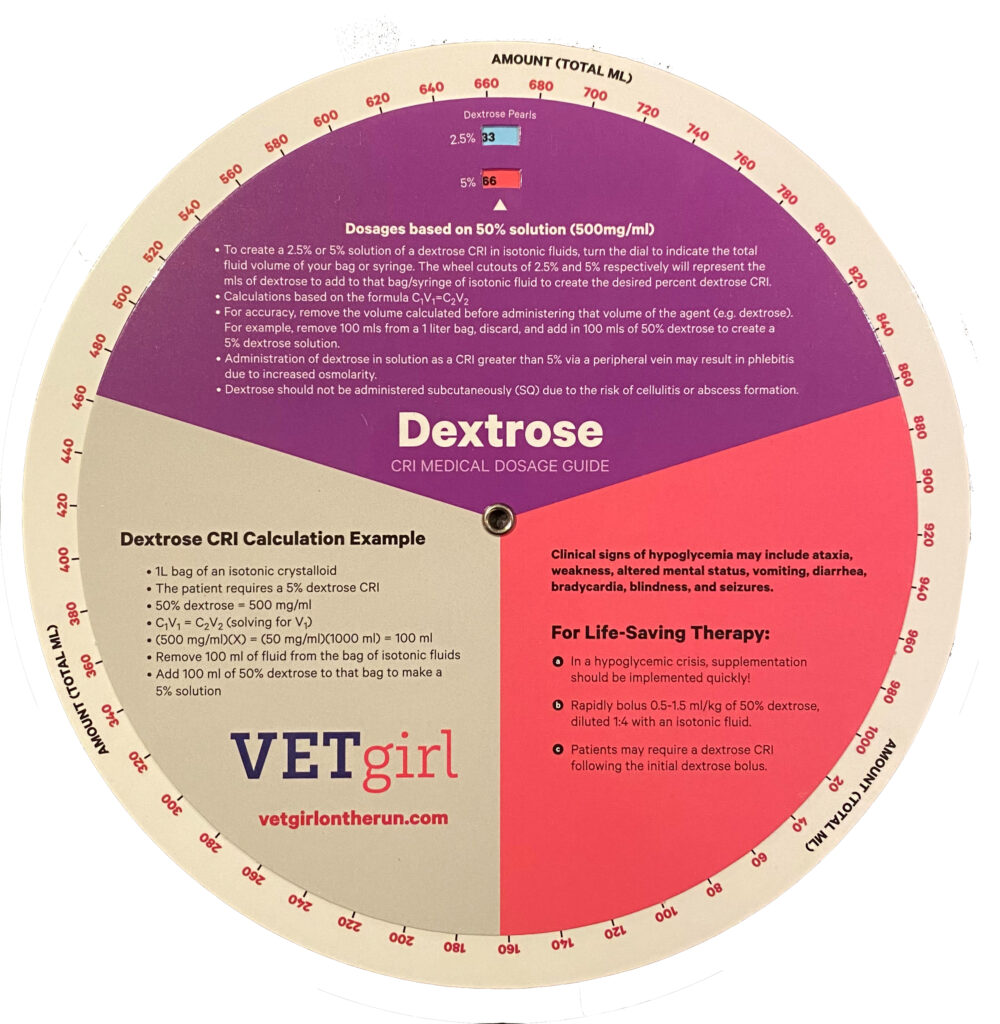



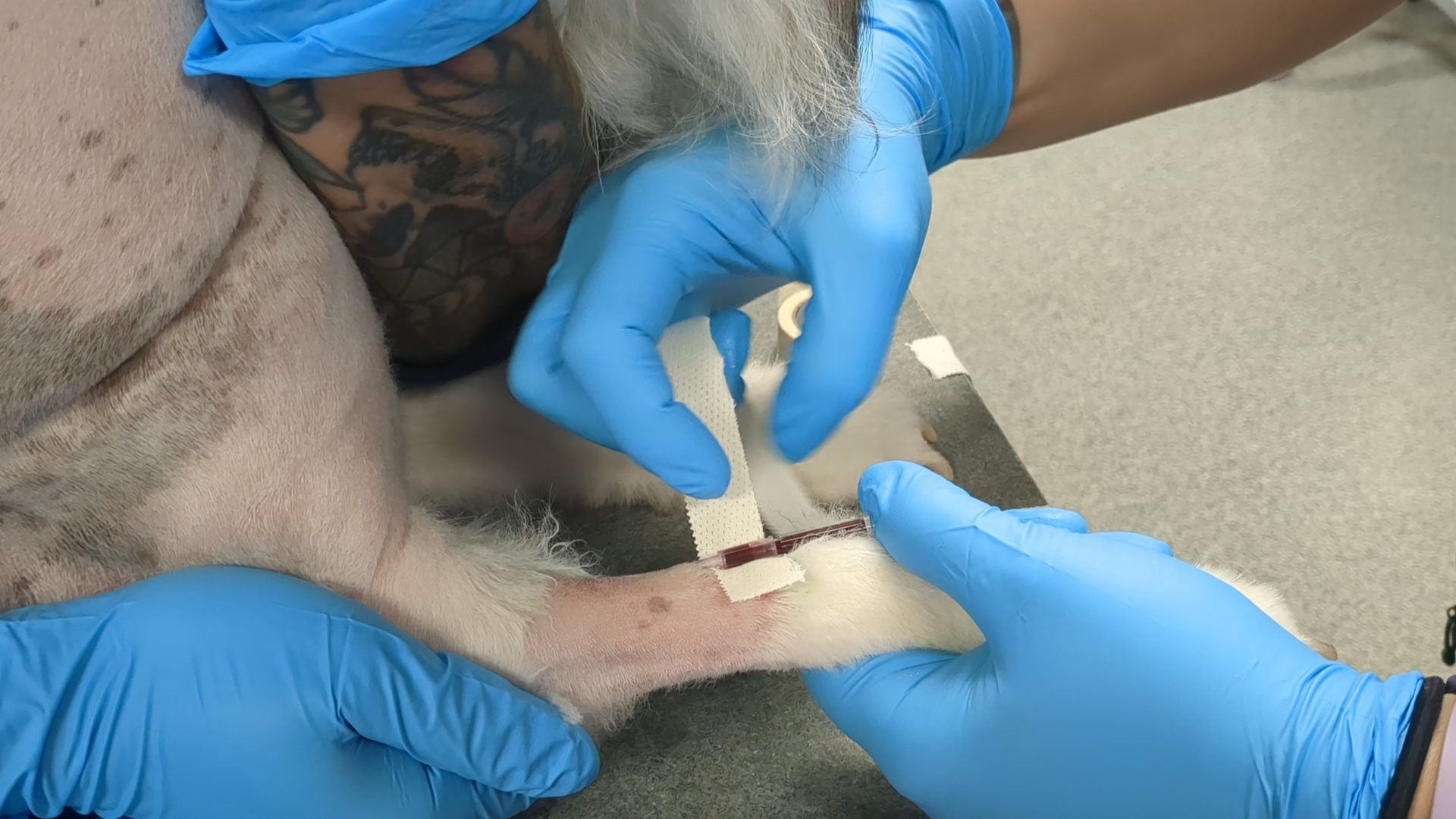
I would like to know your stance on how long you keep a bottle of dextrose once it is punctured?
It is preservative free.
Once punctured, do you refrigerate?
Grazie
Yes, we do refrigerate it. We honestly use it so quickly in the ER, so we use it within a month.
I’m fairly new to the vet tech field and just to clarify, do you need to take 100 ml out of the bag of fluids, prior to injecting the 100 ml of 50% dextrose into the fluid bag, to make it a 5% solution? Or is that already accounted for? Thanks!
LG, since no one replied and I found thins I thought I would answer. To be 100% accurate you would have to take out as much fluids from the bad as you would put in the dextrose. To make 1L total fluids. Good example of this is when calculating for dextrose. 5% is what you need and you have 50% dextrose. You divide 5/50 = 0.1 then multiple by the amount of fluids you need total. 0.1*1000ml = 100 ml of dextrose. Now let’s calculate 25% for 1 ml. This makes sense in a second. You divide 25/50 = 0.5 then 0.5* 1 ml total solution. It’s 0.5 ml dextrose for 1 ml total solution. You would take 0.5 ml of fluid from 1ml syringe and add 0.5 ml of dextrose to the remaining. 25% of 50% is half. Half dextrose and half fluid. You wouldn’t add 0.5ml dextrose to 1ml of fluid because then 1/3 is dextrose and 2/3 is fluid. You would get like 16.6% solution then. Does this help?
Which fluid rate would you use for a glucose cri??
Great question – I would set it to the patient’s hydration status, shock state, etc.
I have seen that, for the hypoglycemic patient, 2-5mL/kg/hr of 5% dextrose in water will be adequate to maintain a blood sugar between 100-200 mg/dL while still maintaining electrolyte-balanced fluids at 5-10 ml/kg/hr. Obviously this is variable based on a per patient basis. But it’s a good relative benchmark.
I accidentally gave my cat dextrose under the skin. What will be the preventive measure to be done to avoid side effects?
Please contact your veterinarian directly for any medical queries. Thank you.
Would you give IV dextrose (using the protocol described) to a cat with hypoglycemia as measured on glucometer, but who is not clinical? We sometimes see this happening during blood glucose curves… I usually err on the side of caution and try to first feed them, then bolus them if their BG gets low, but it does mess up the curve and they never have clinical signs when this happens, maybe because we are trying to be proactive.
Many rescues treat parvo dogs with LRS 5% dextrose. They give those fluids subcutaneously. Should that route of administration be avoided because of the dextrose?